computing and Artificial intelligence
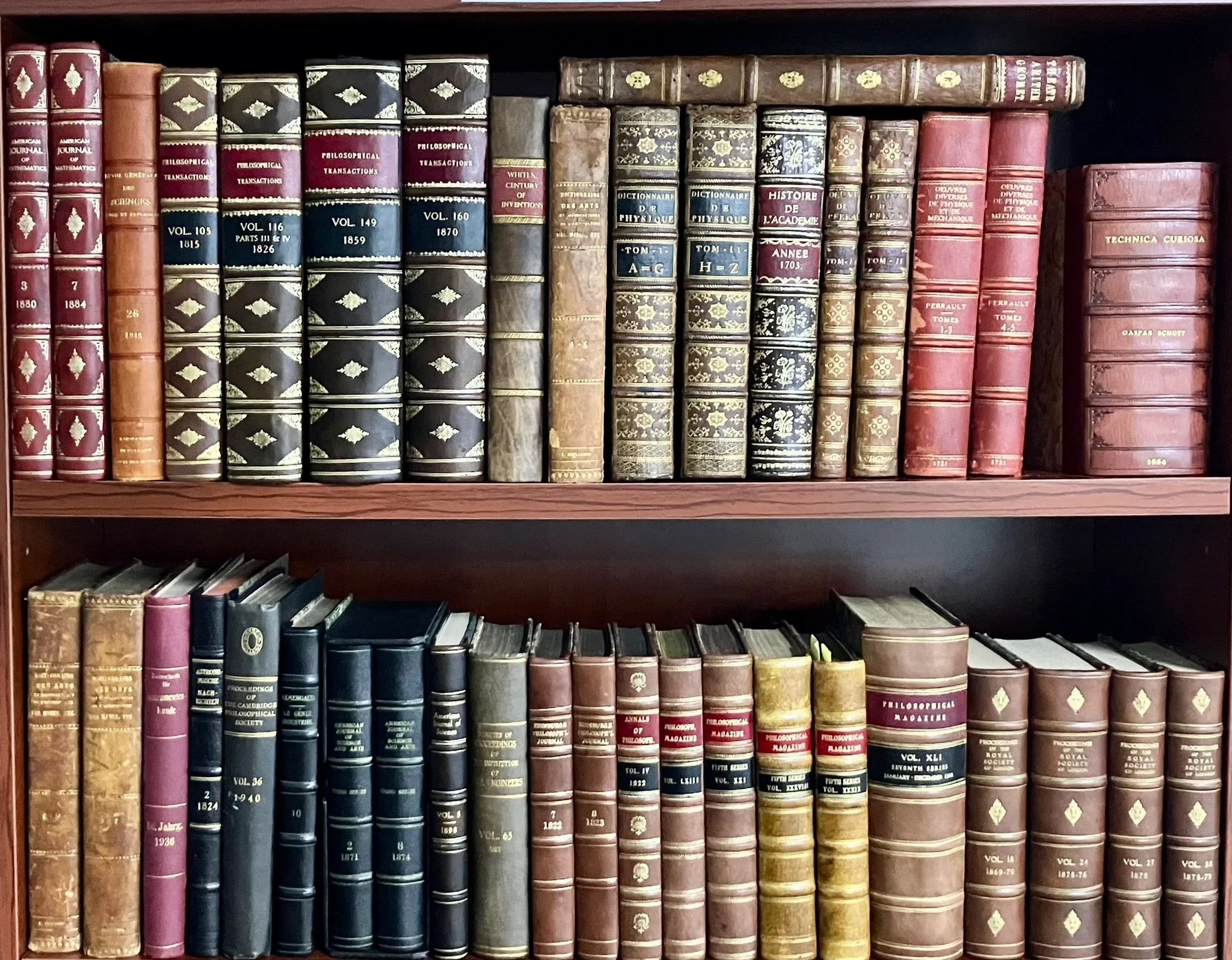
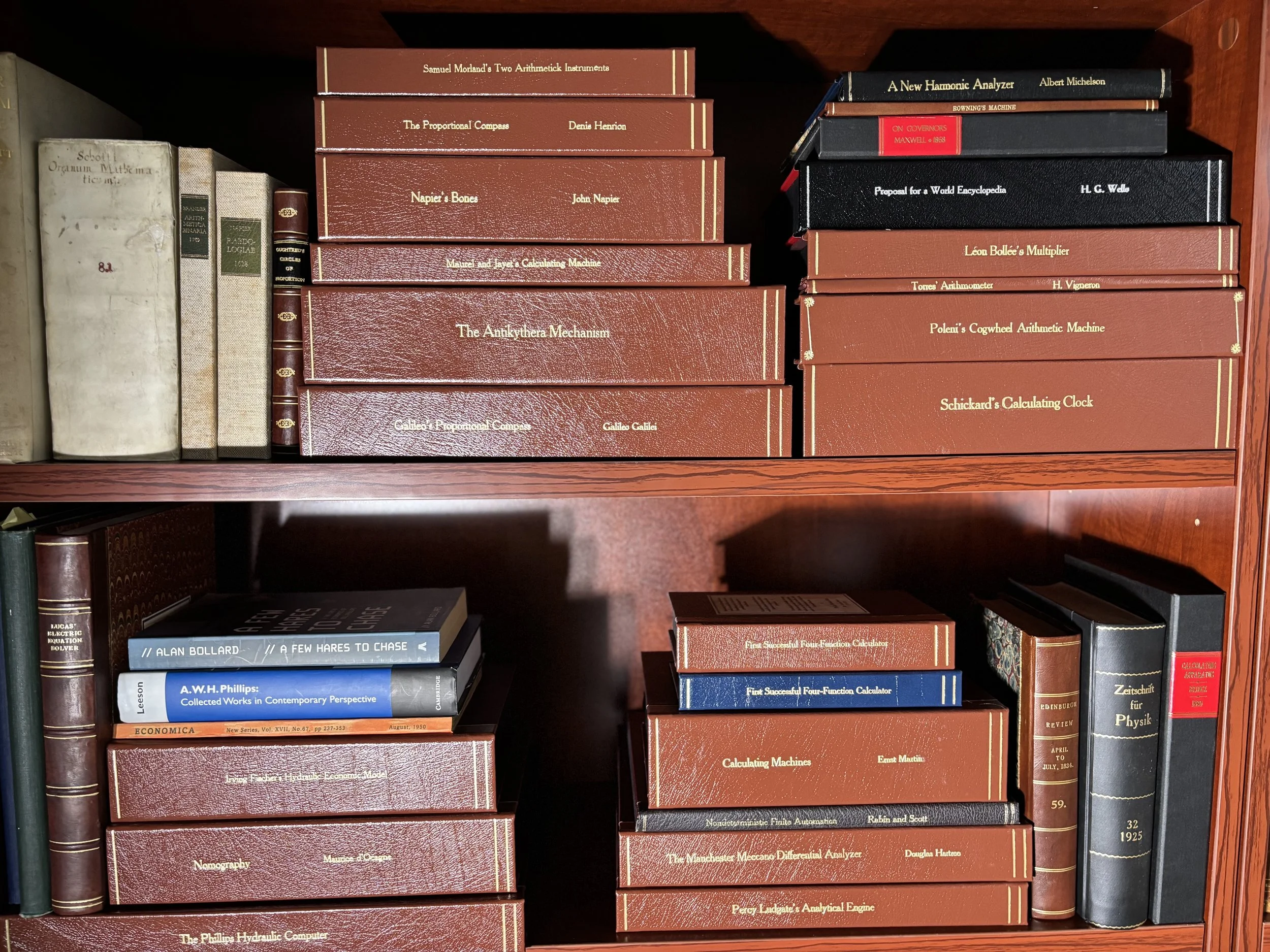
The history of computing and AI is not simply a story of increasingly powerful machines. It is also a history of changing ideas about calculation, information, intelligence, and what machines might eventually accomplish. This collection of more than 1,200 documents traces those ideas from the earliest calculating instruments to the emergence of artificial intelligence.
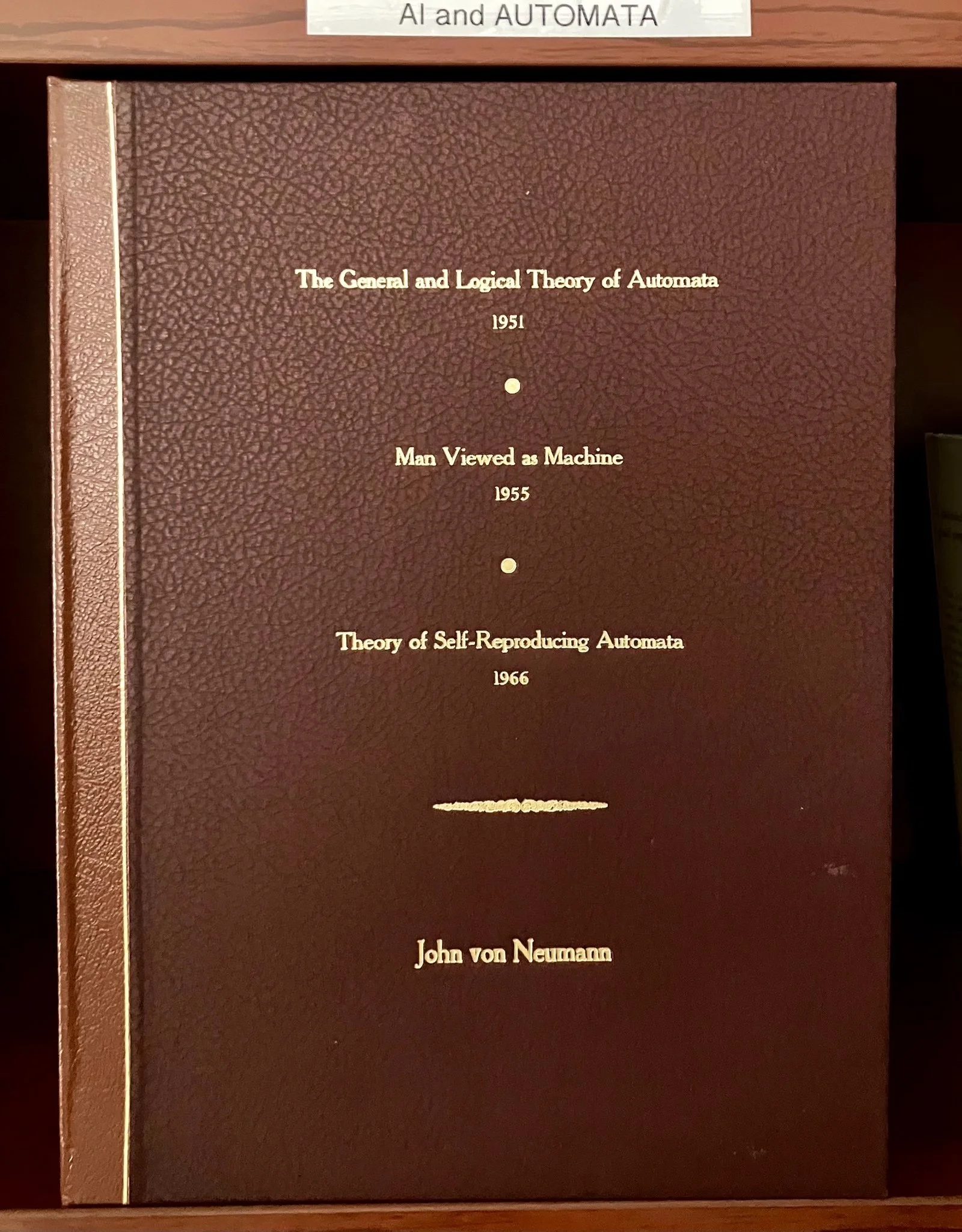
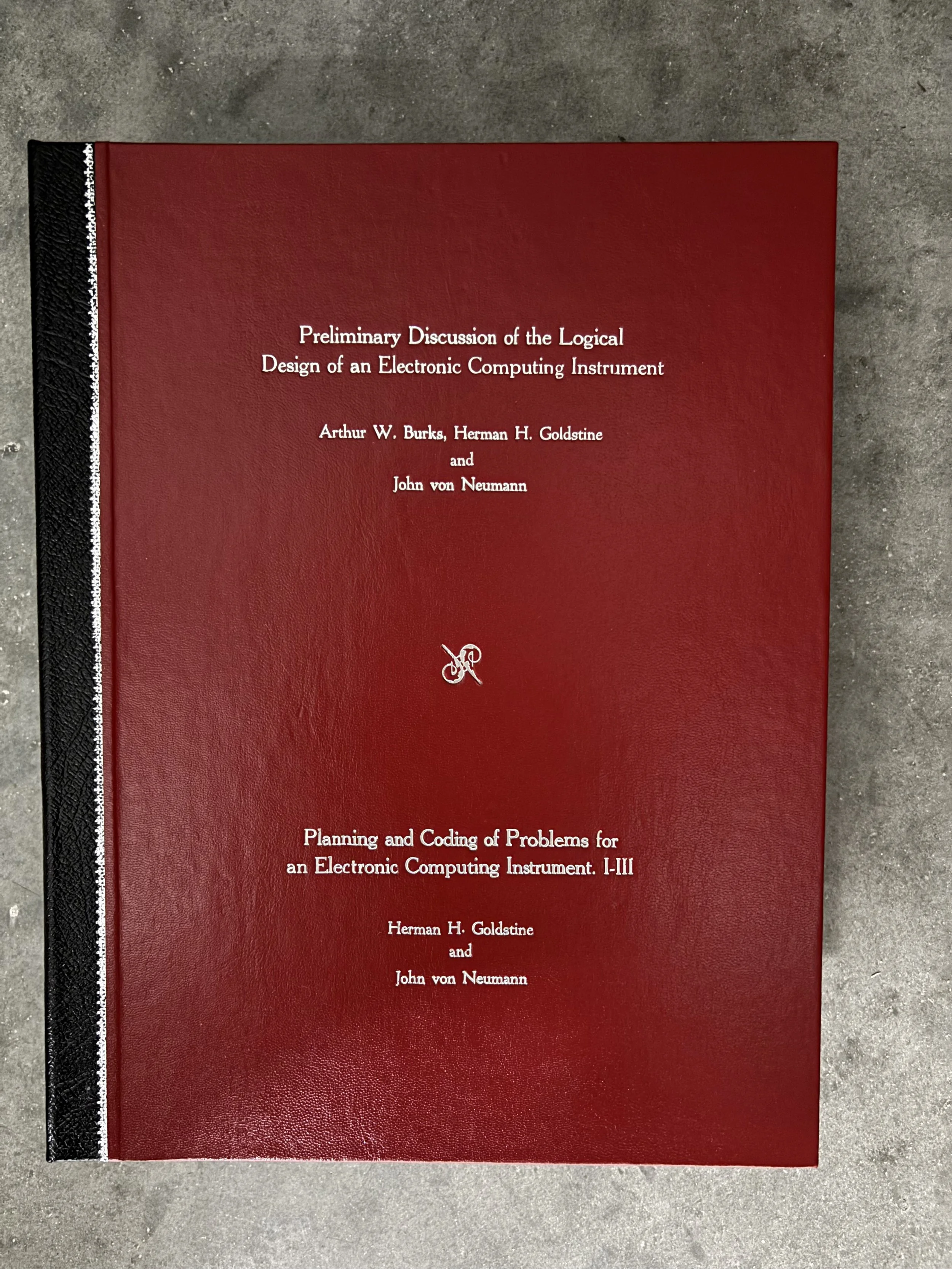
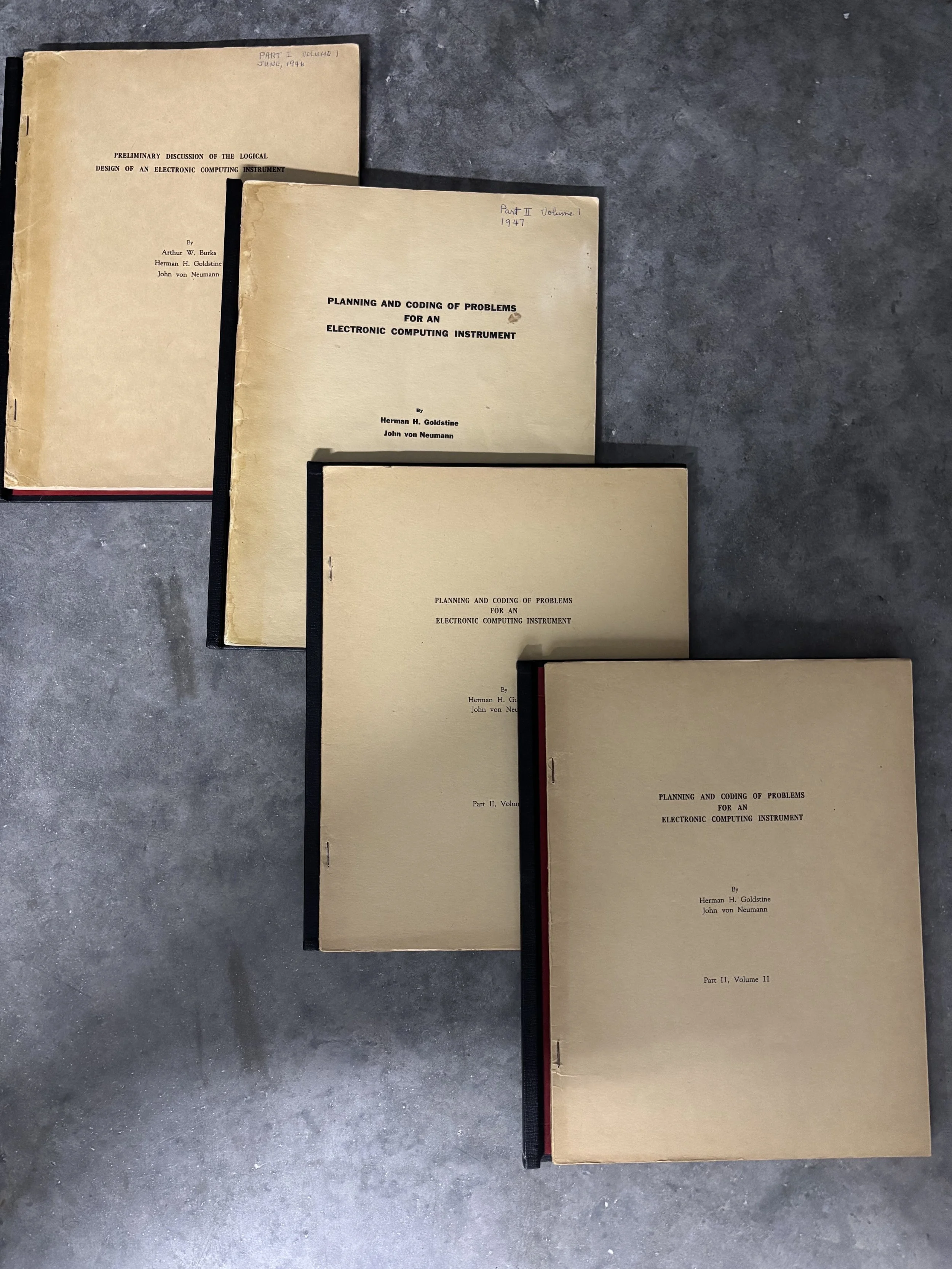
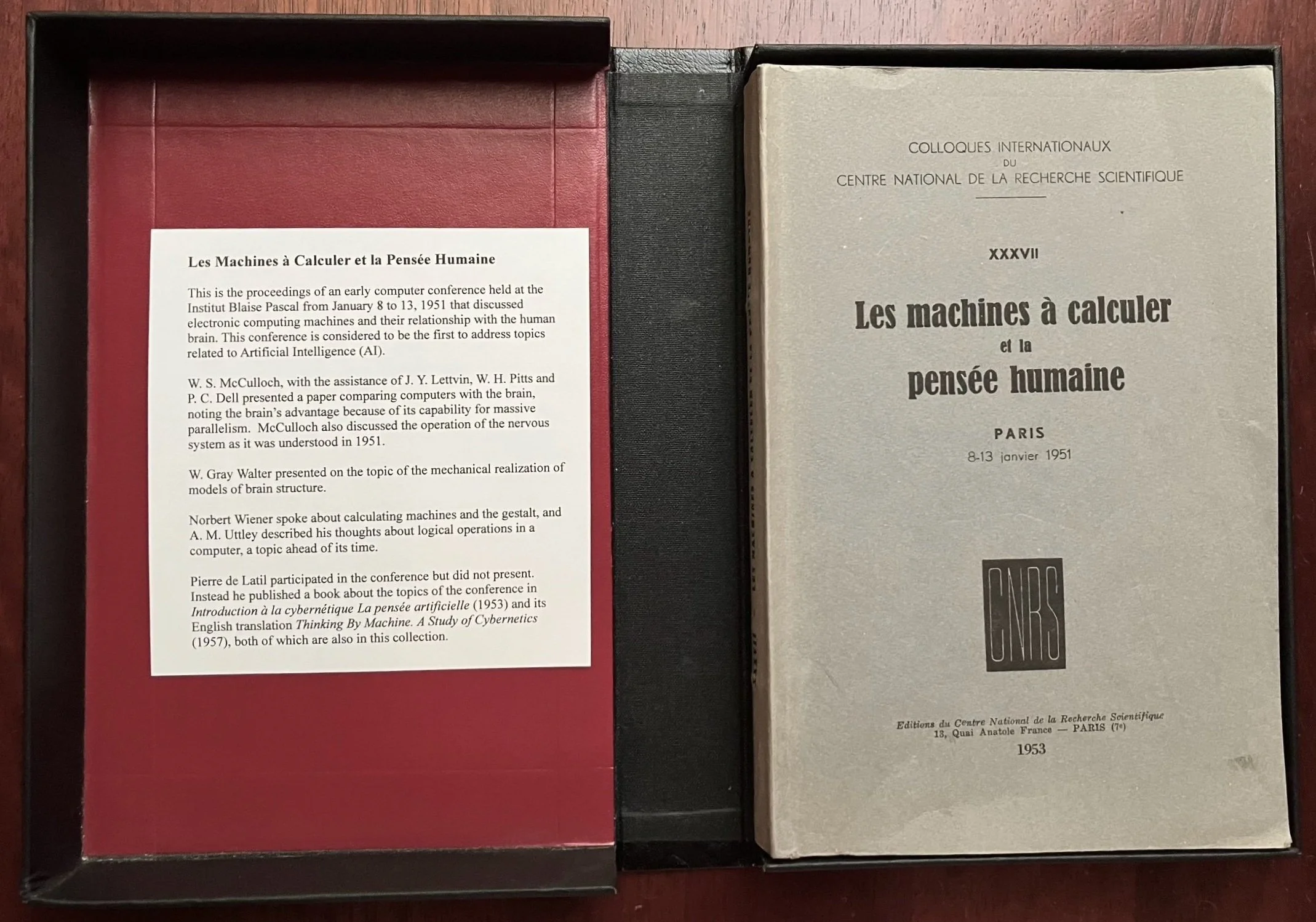
The holdings include works by John Napier, Gottfried Wilhelm Leibniz, and Charles Babbage, whose innovations helped lay the foundations of modern computing. Later publications document advances by Alan Turing, John von Neumann, Claude Shannon, and Norbert Wiener, whose work reshaped the fields of computing, information theory, and cybernetics. A rare copy of the 1955 Dartmouth proposal captures a pivotal moment when researchers began defining artificial intelligence as a distinct field.
The collection also includes works of fiction and philosophical inquiry that anticipated many contemporary debates about intelligent machines: whether they can reason, whether they might surpass human abilities, and how much control people should retain over technologies they create.
This collection is available for sale as part of the larger series: Machines, Minds, and the Cosmos. A full list of collection documents is available upon request.
-
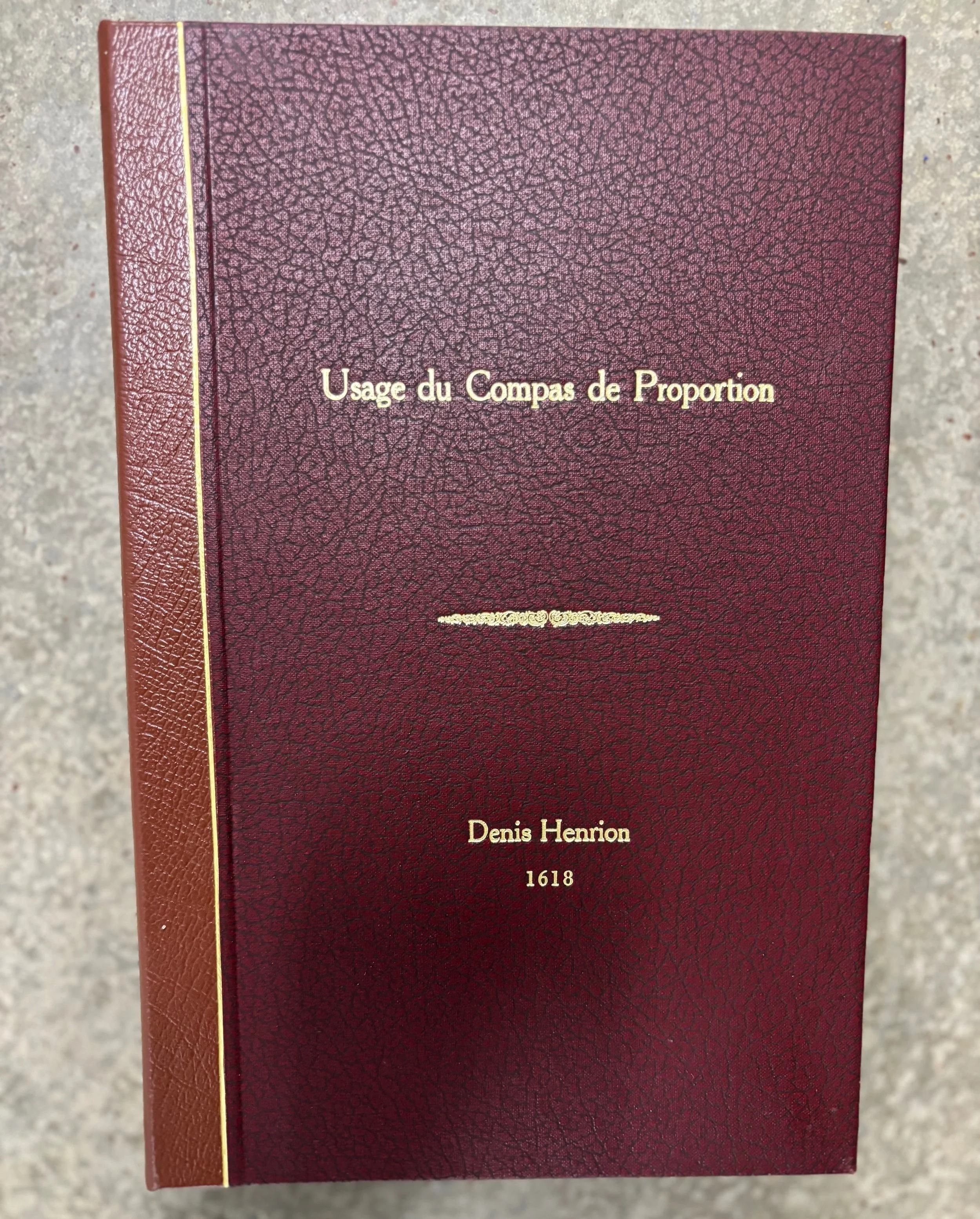
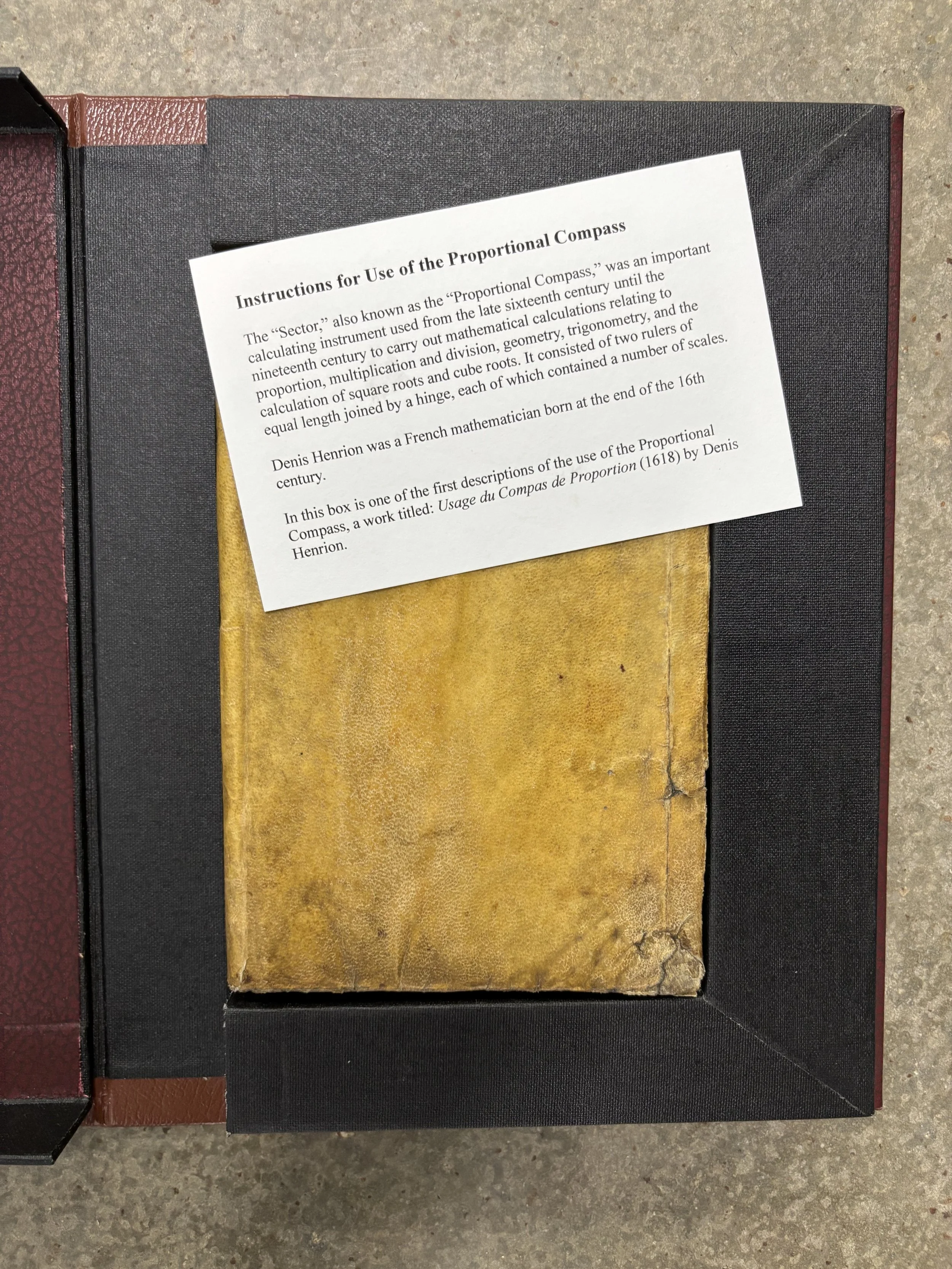
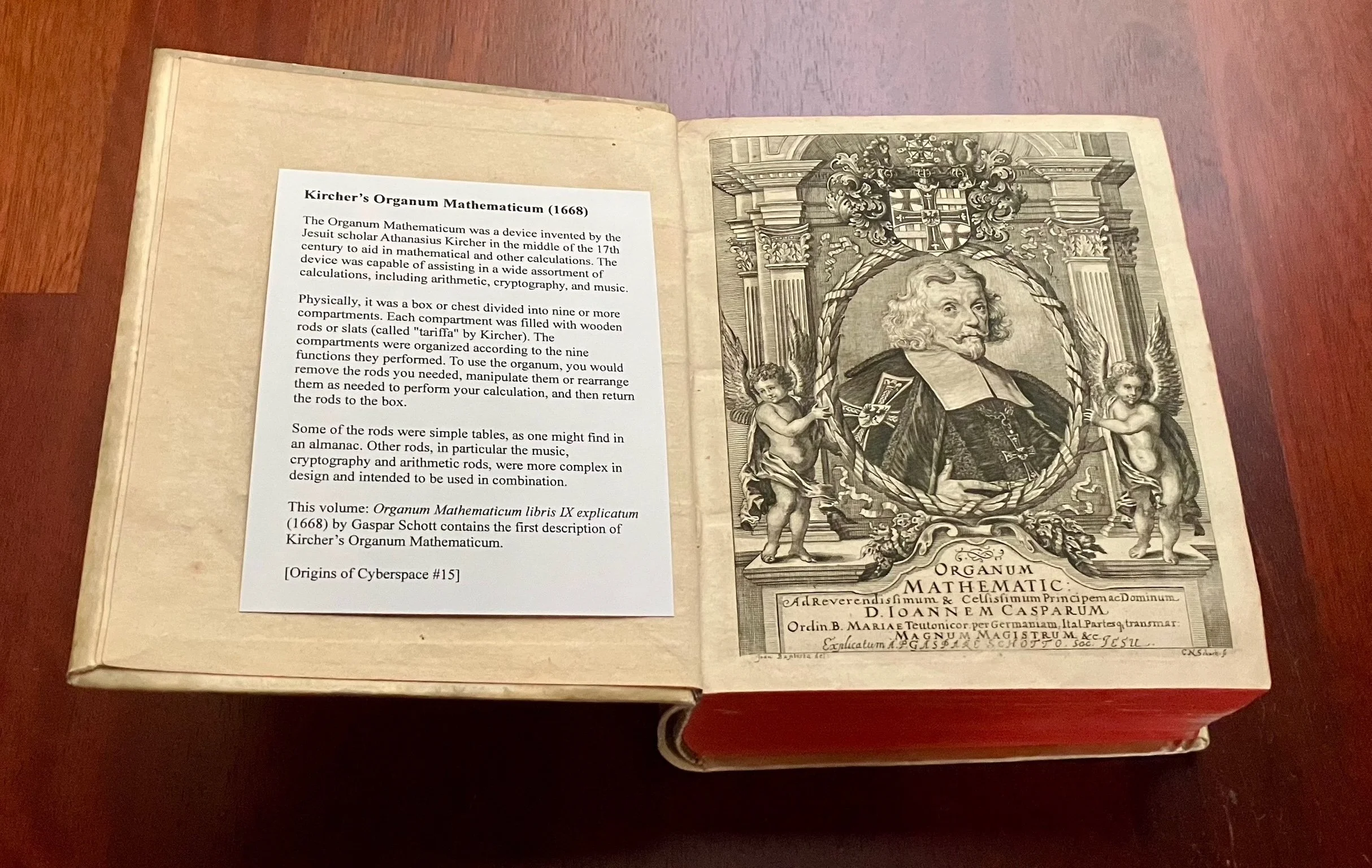
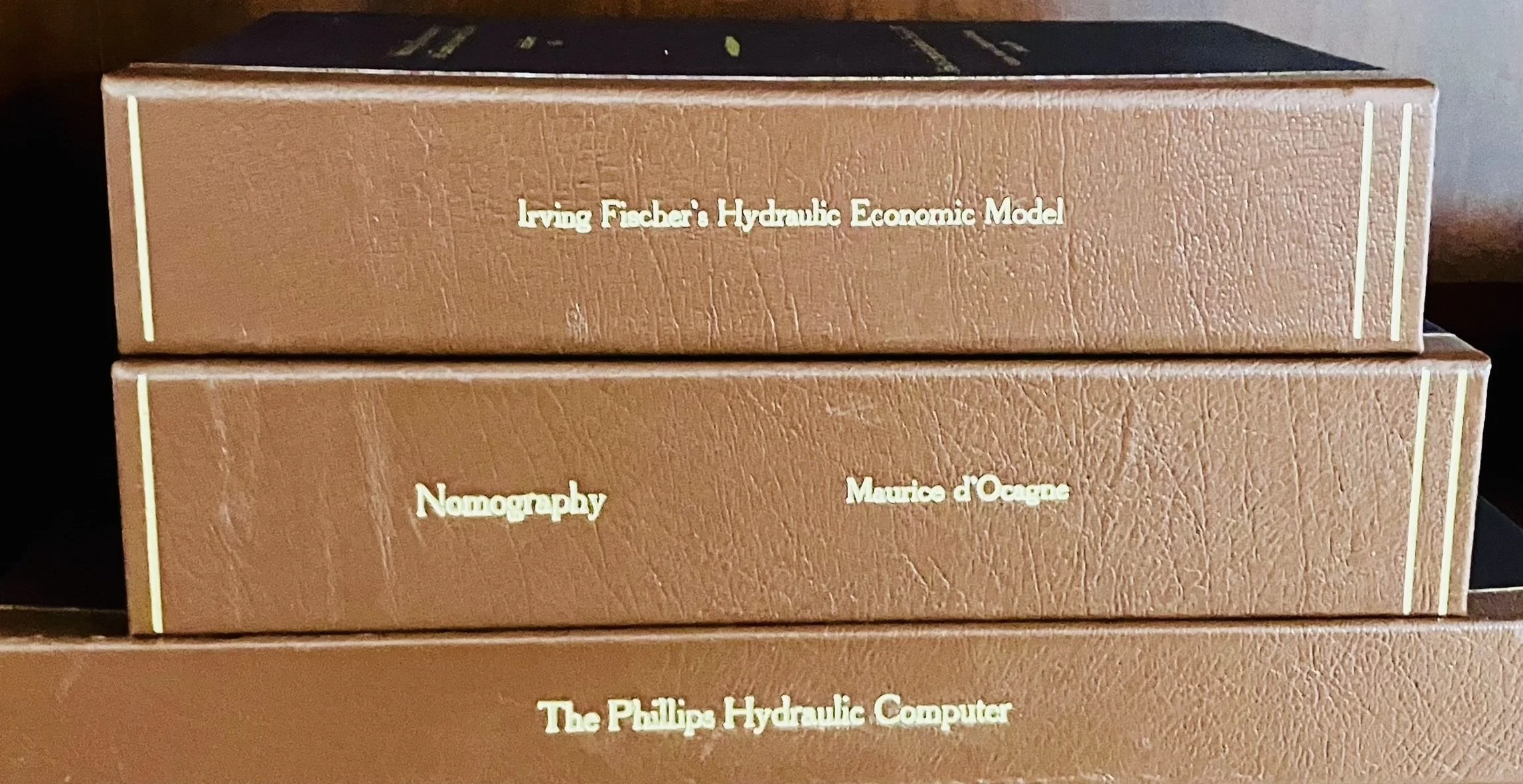
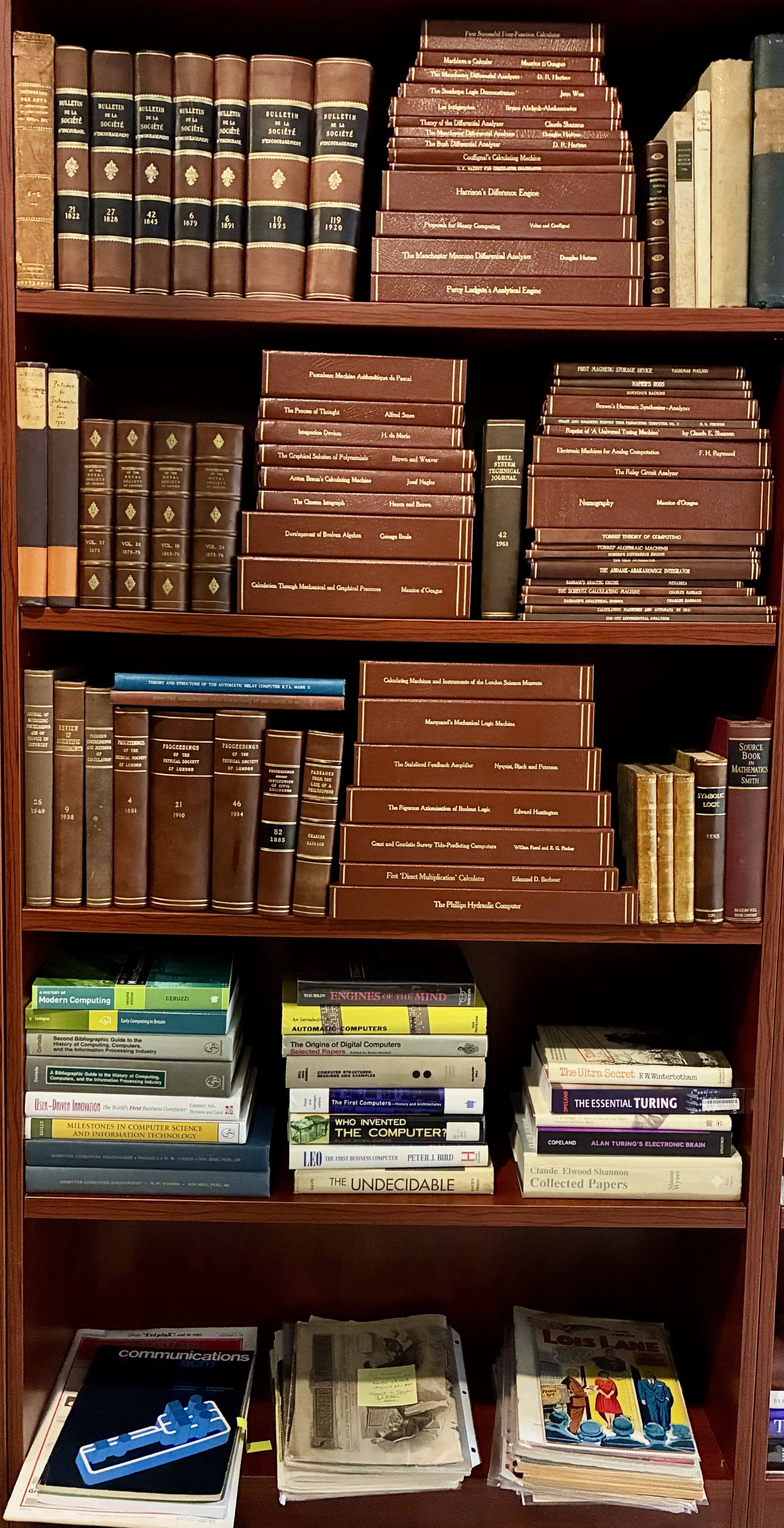
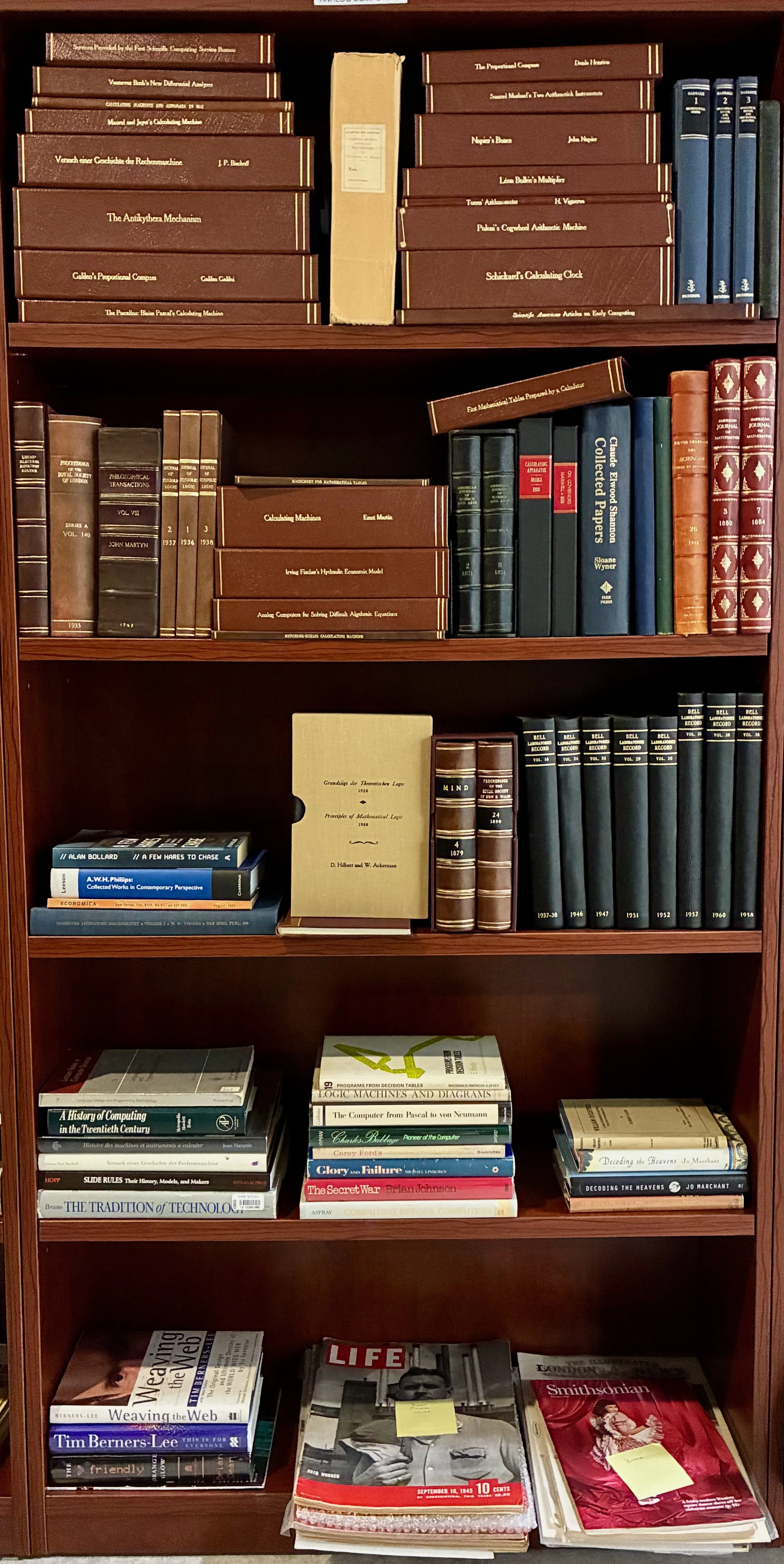
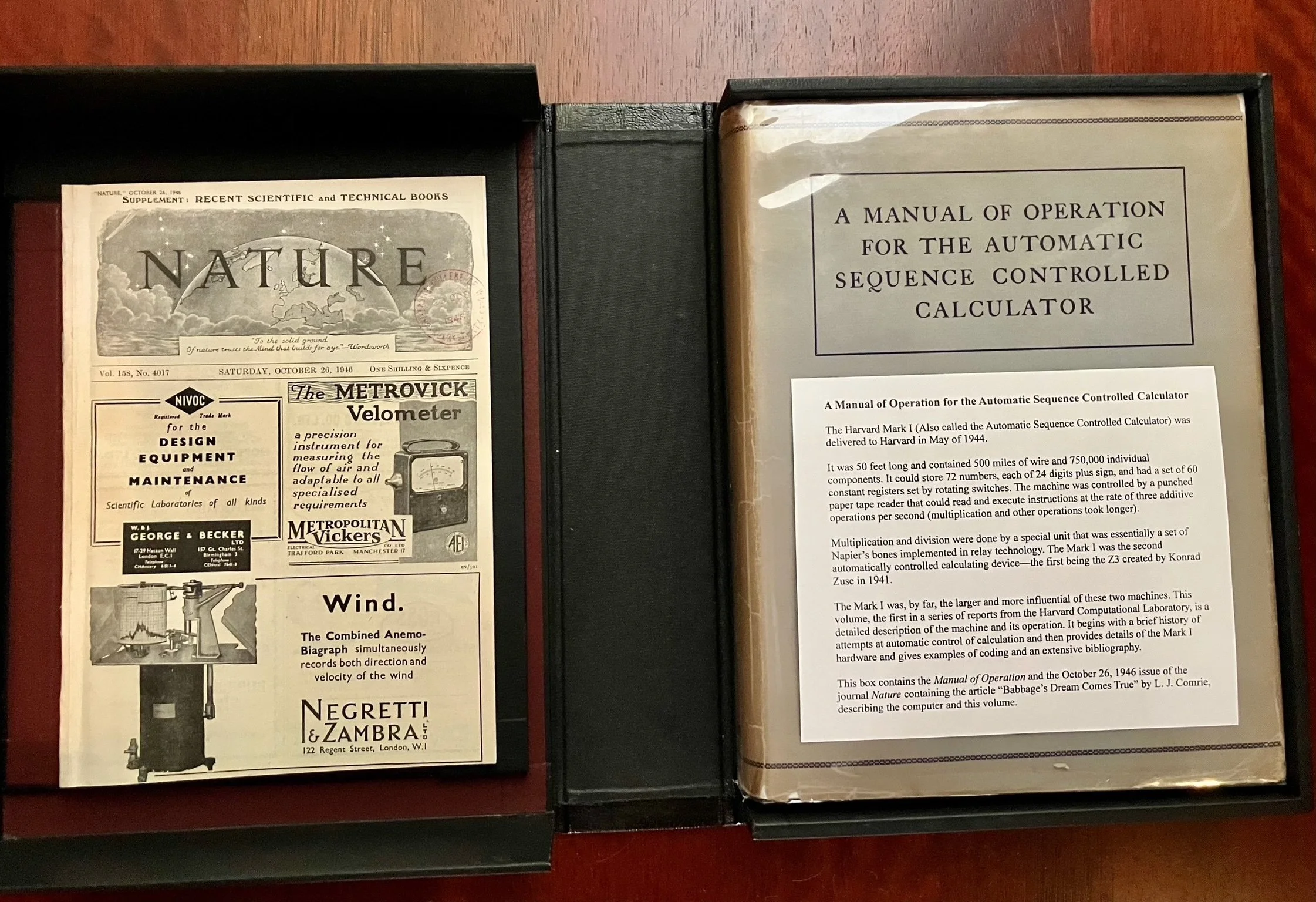
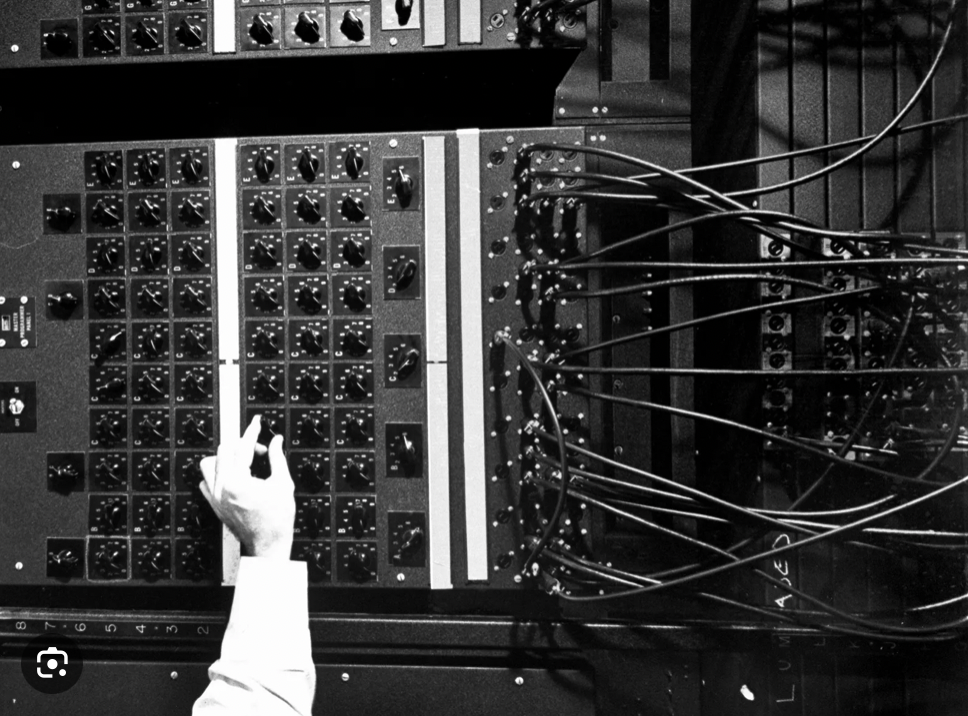
The Analog Computing portion of the collection contains more than 300 documents tracing the development of instruments and machines that used physical mechanisms to perform mathematical calculations. Beginning with a 1618 description of Galileo's proportional compass, the works follow centuries of innovation in mechanical and electrical computation, culminating in the differential analyzers and other analog computing devices developed in the 1940s.
Together, these documents reveal how scientists and engineers devised increasingly sophisticated ways to model and solve mathematical problems long before digital computers became dominant.
-
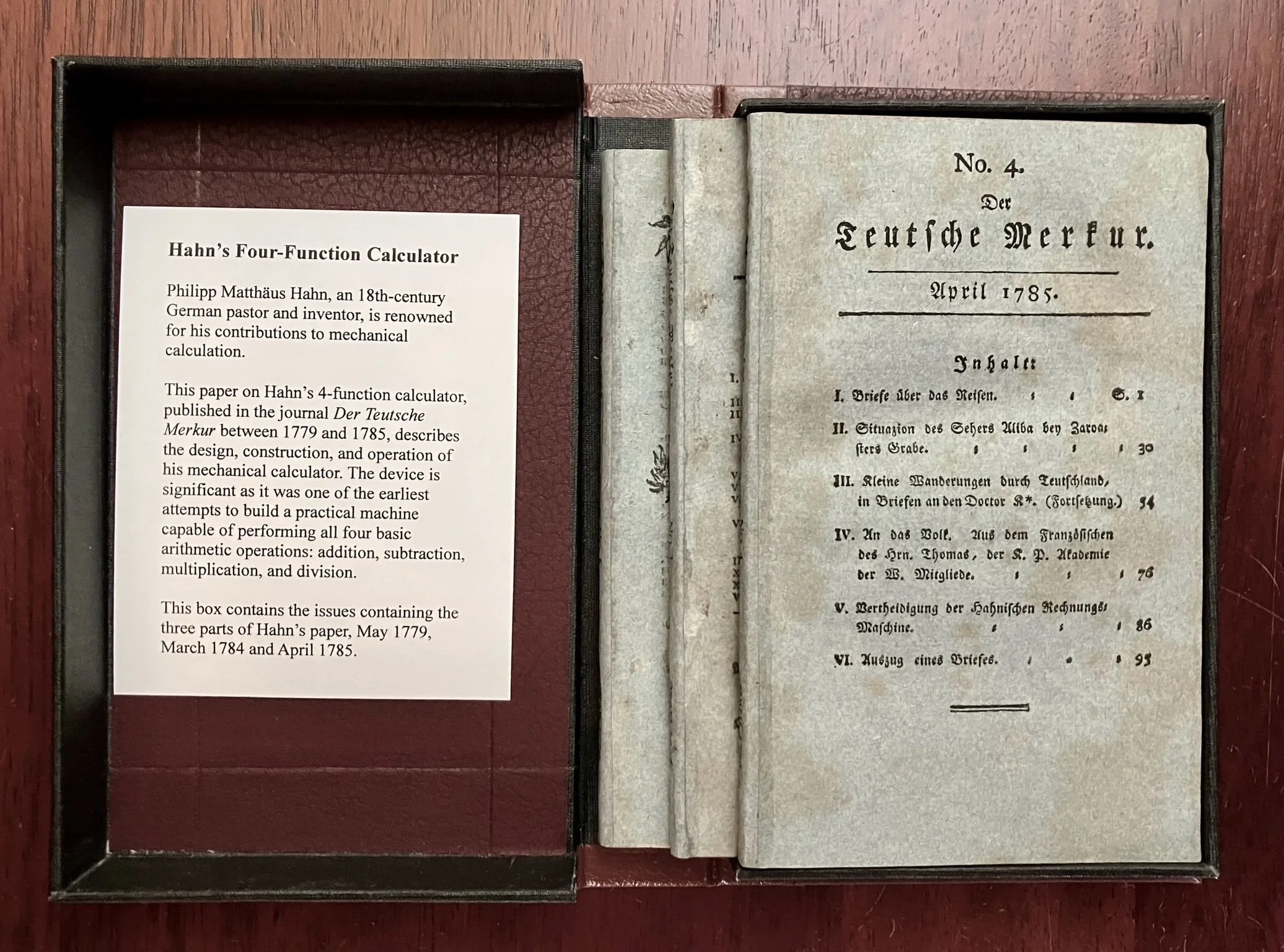
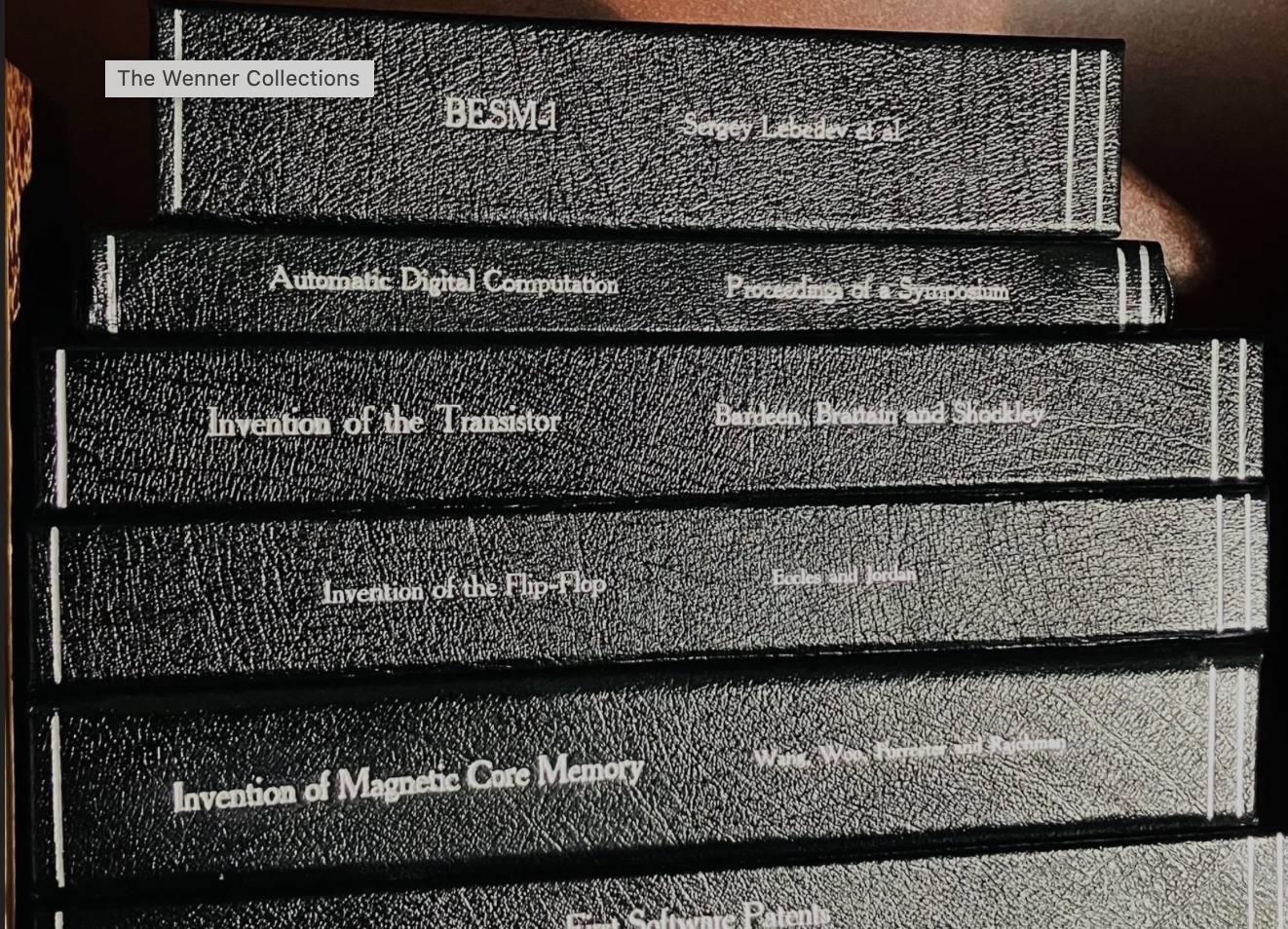
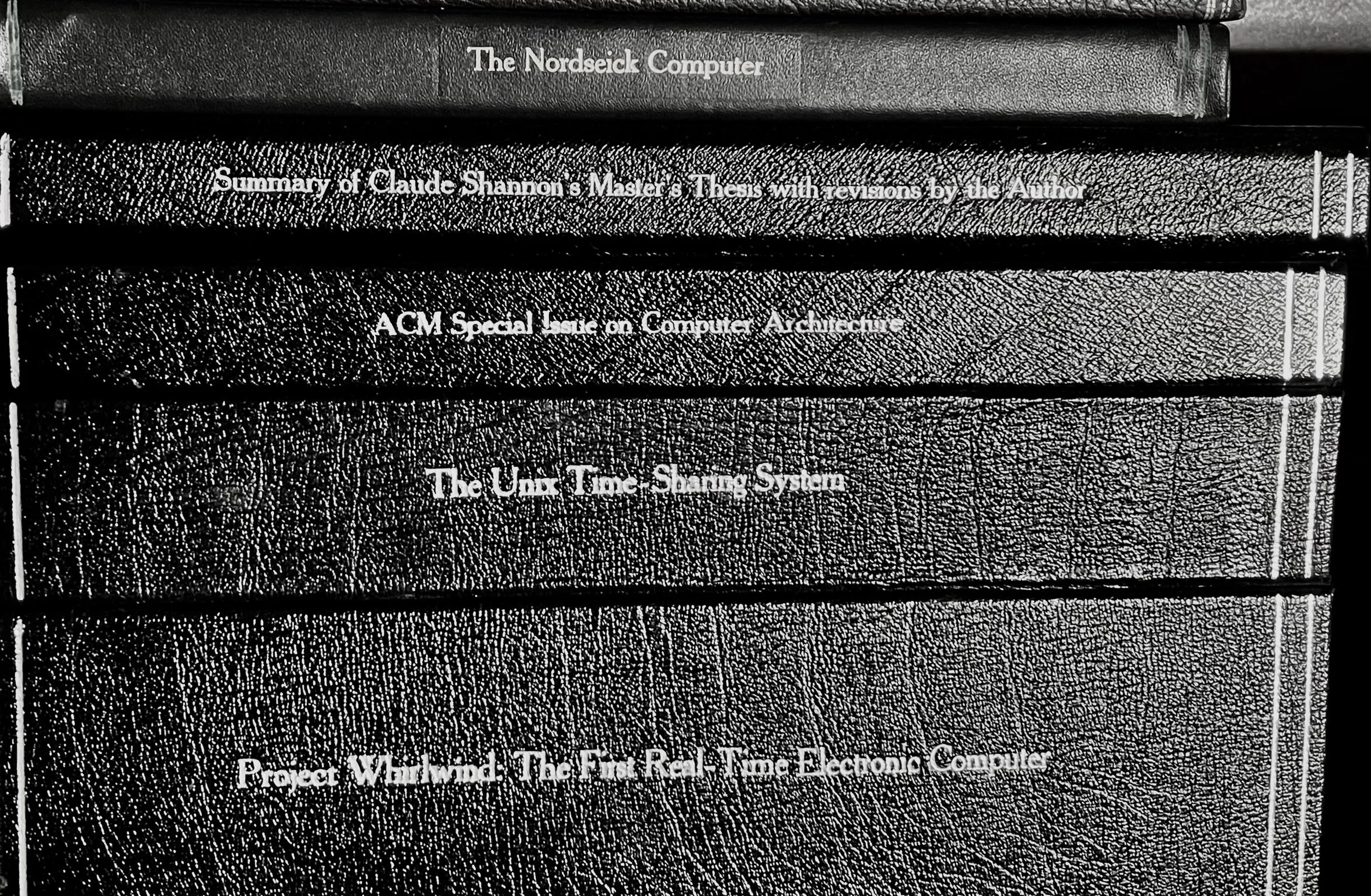
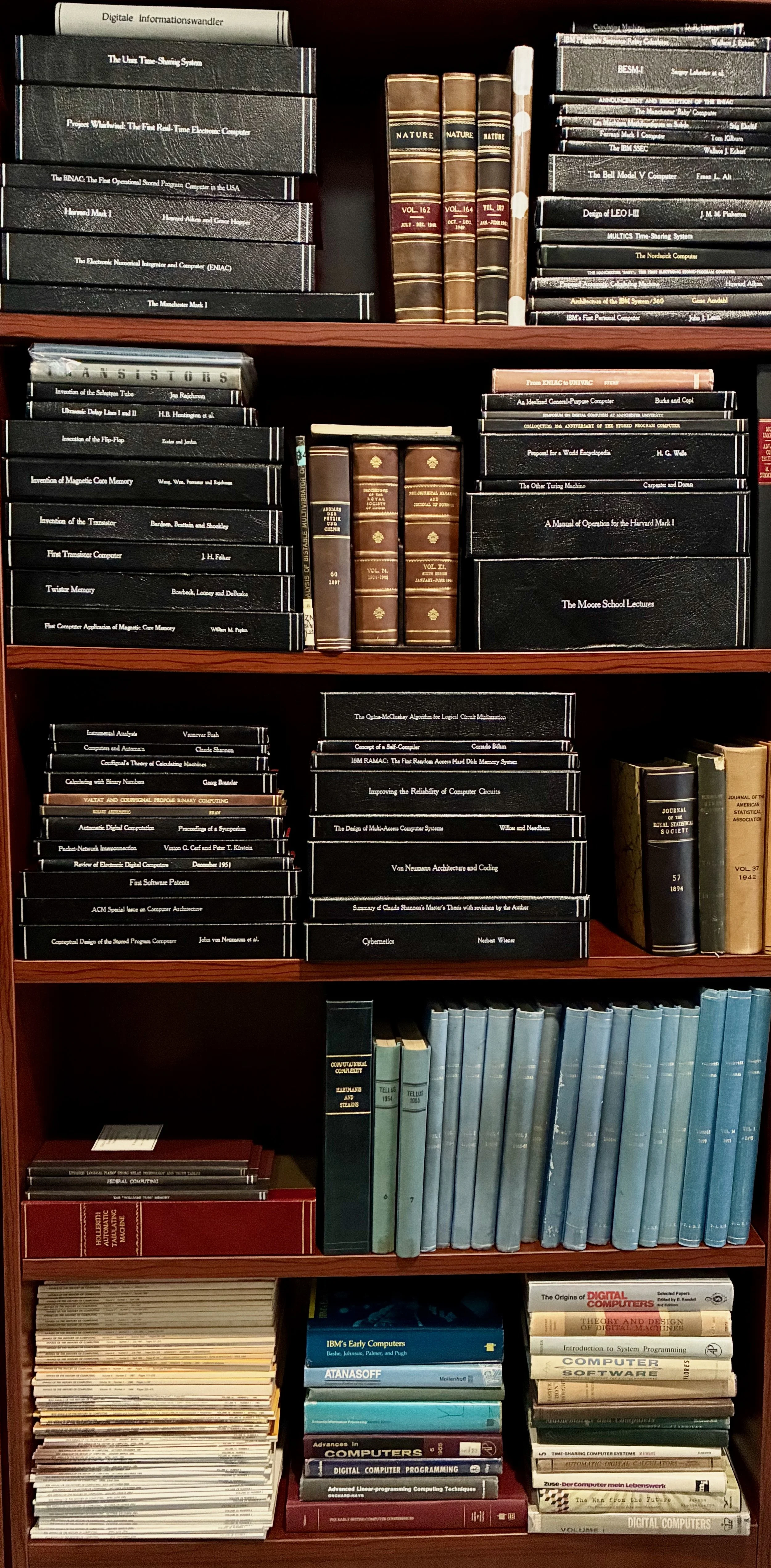
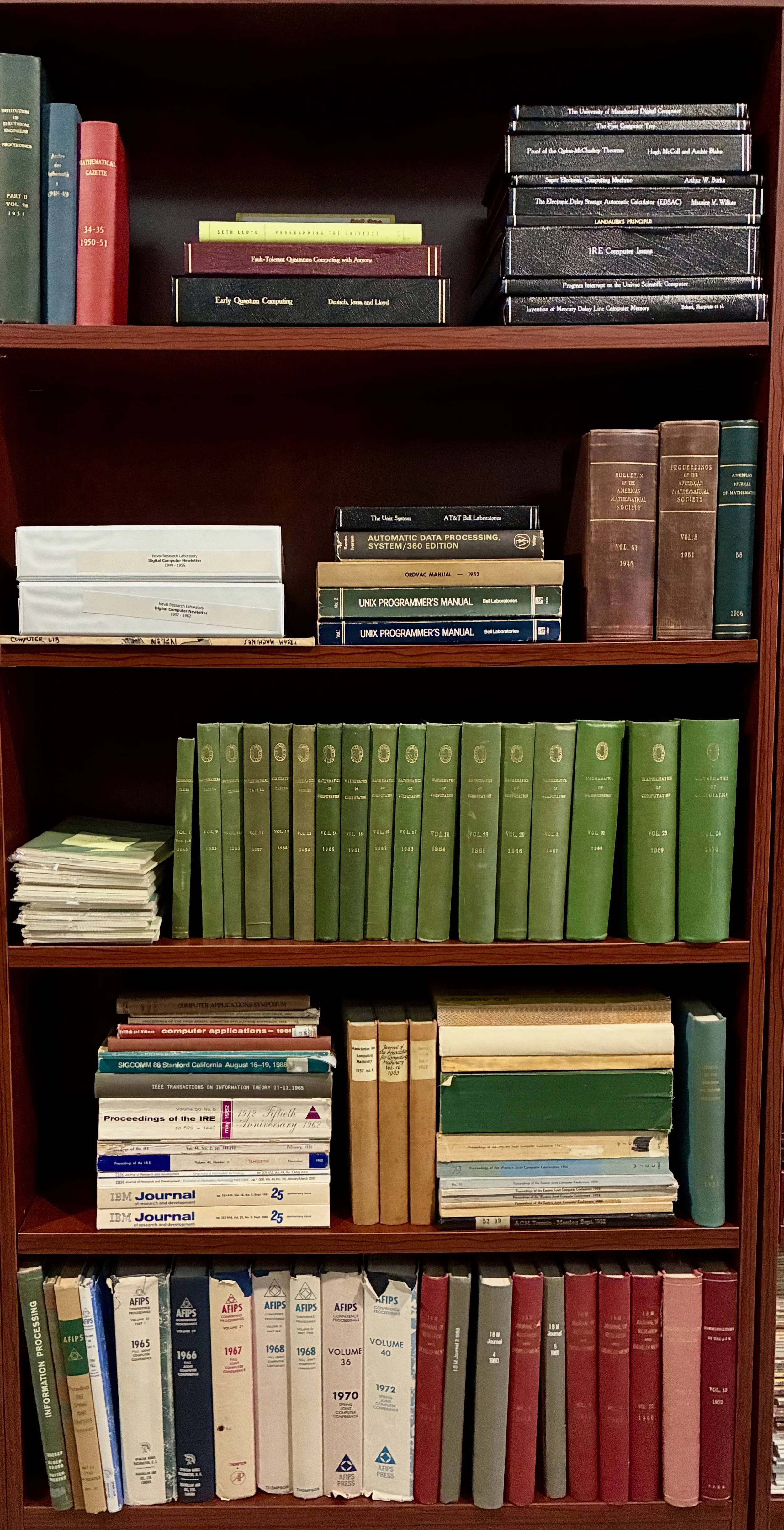
The Digital Computing portion contains more than 400 documents tracing the theoretical and technological developments that made modern computers possible. Beginning with Gottfried Wilhelm Leibniz's early work on binary arithmetic, the collection includes foundational publications by computing pioneers, original patents, and papers documenting advances in computer design and the technologies that enabled it.
Particular emphasis is given to the emergence of electronic digital computers in the mid-20th century, including the first- and second-generation machines of the 1950s and 1960s. Later documents follow important developments through the early 2000s, illustrating the transformation of computing from an experimental scientific endeavor into a technology that reshaped modern life.
-
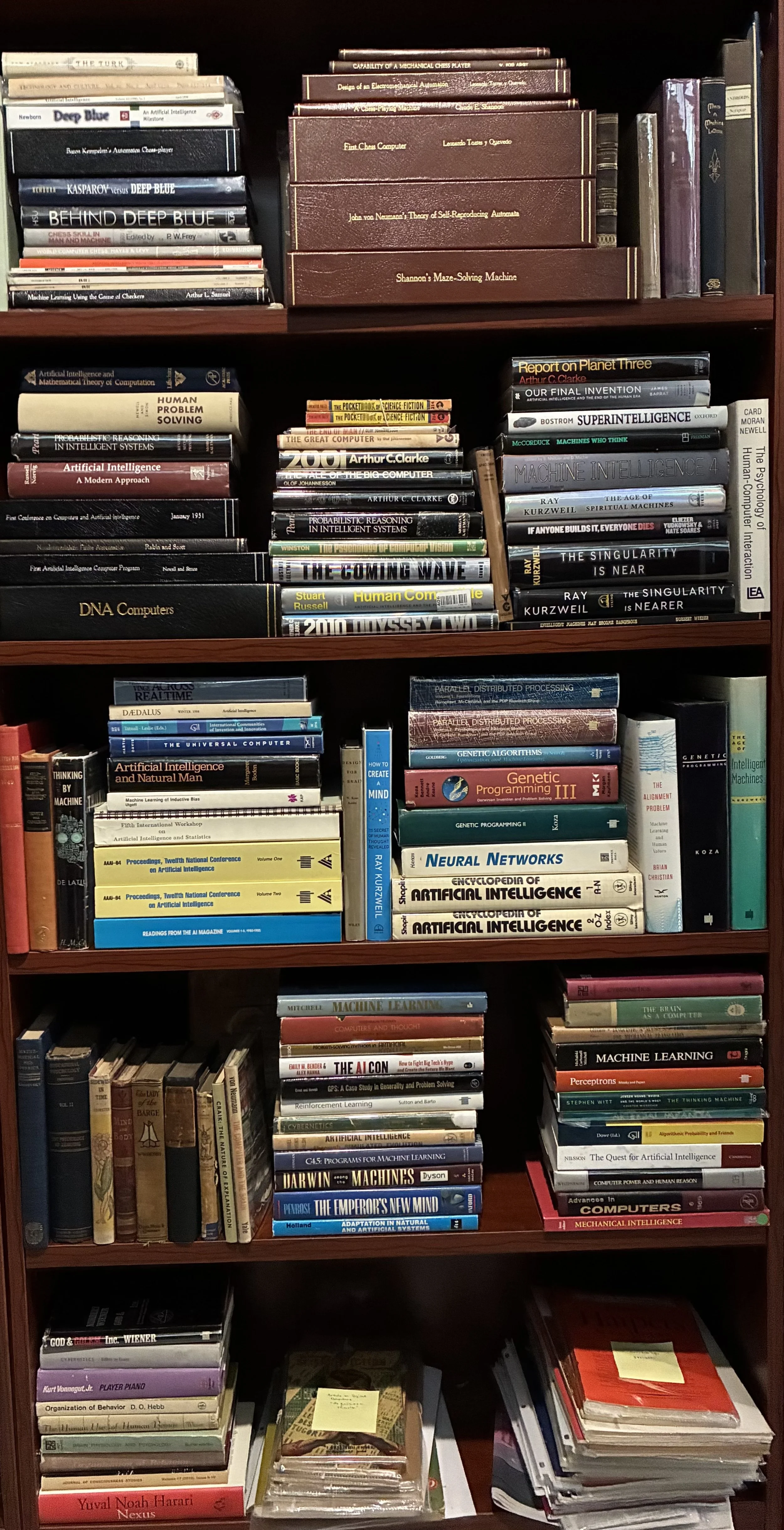
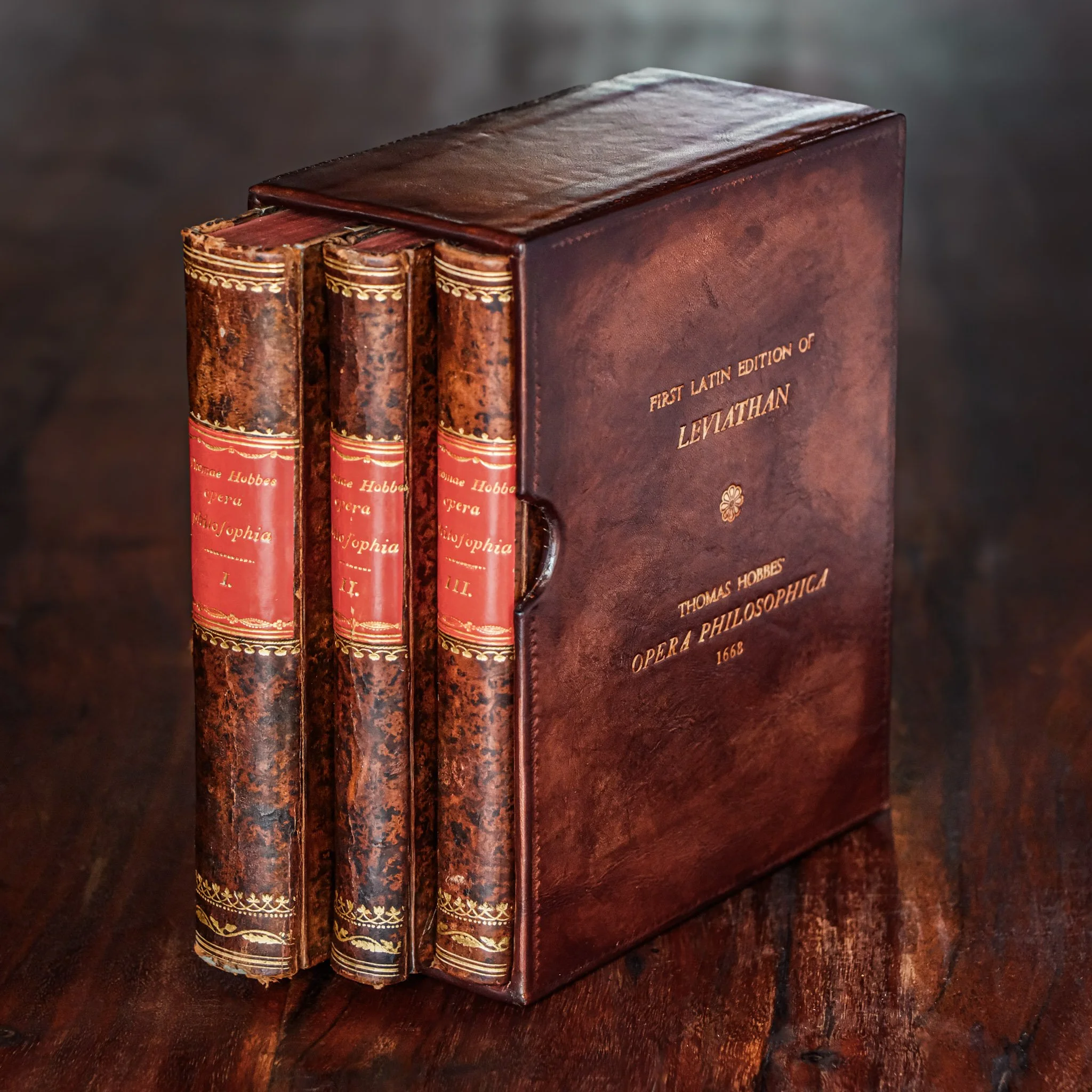
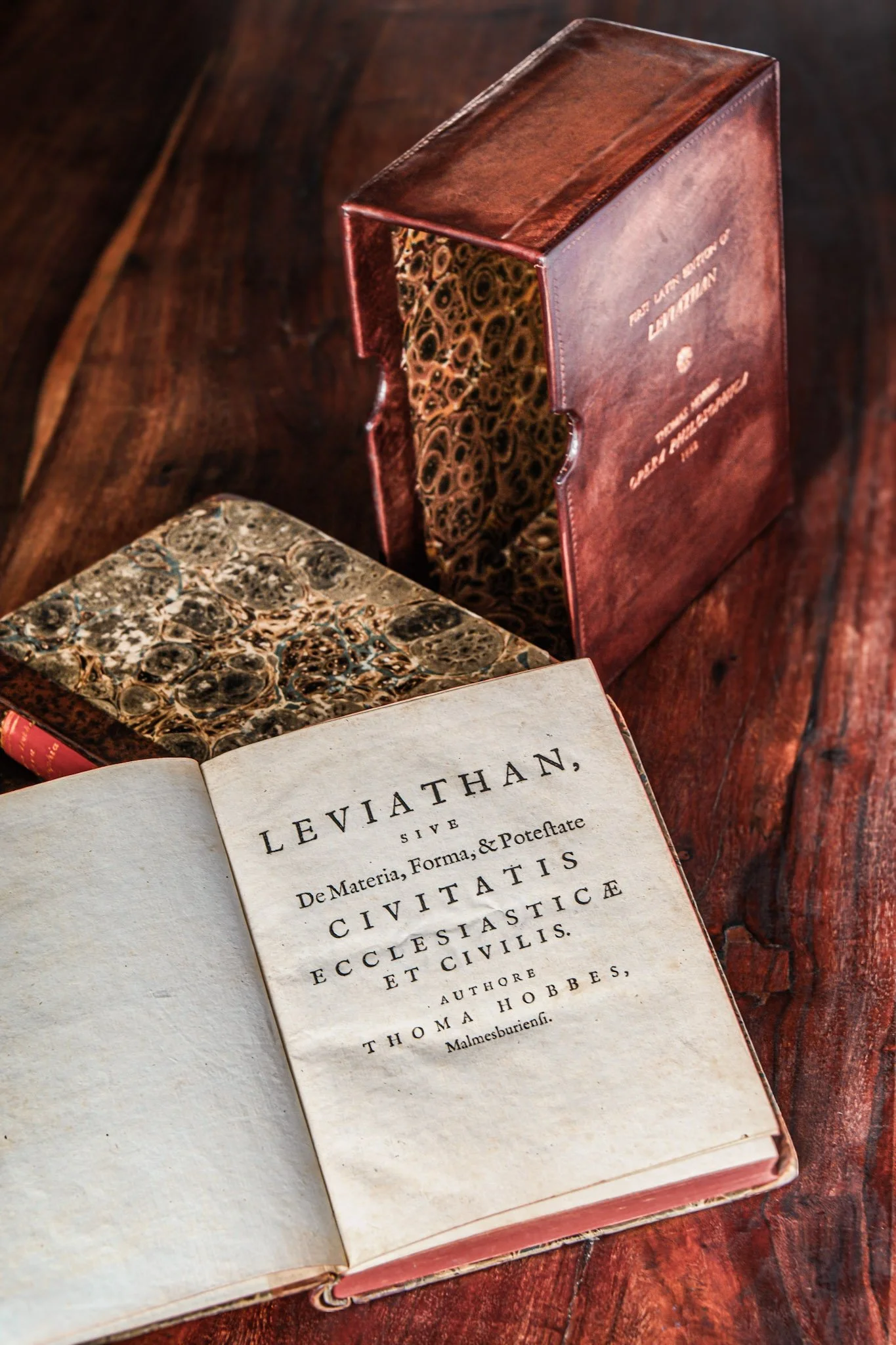
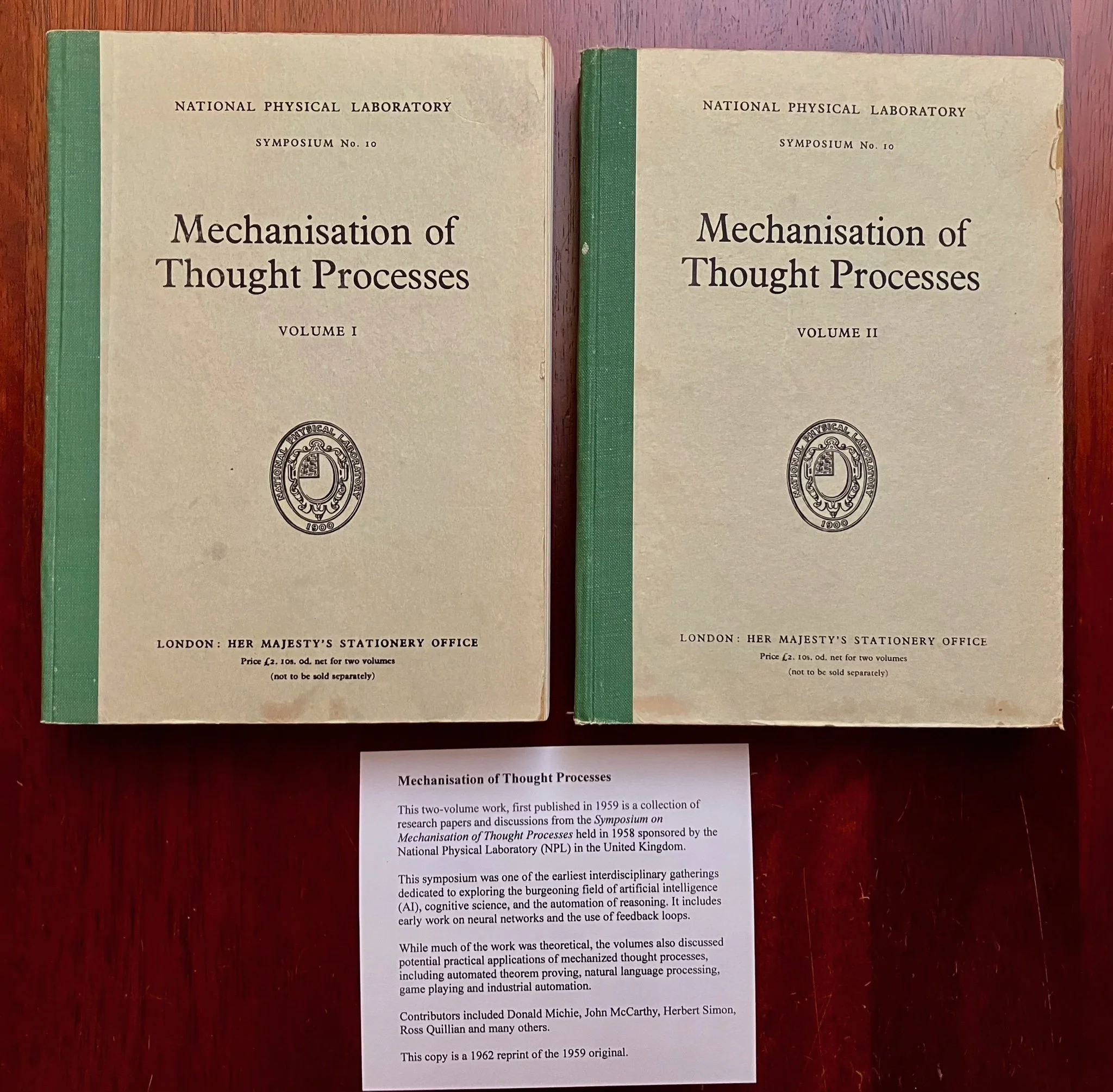
The Artificial Intelligence portion of the collection contains more than 250 works tracing the long intellectual history of the idea that machines might be capable of thought. Early philosophical writings by Thomas Hobbes and Julien Offray de La Mettrie explore the nature of reasoning and the possibility of understanding human thought in mechanical terms. Later publications document the emergence of artificial intelligence as a scientific field, with foundational contributions by Alan Turing, Norbert Wiener, W. Grey Walter, Allen Newell, Herbert Simon, Marvin Minsky, and John McCarthy.
Among the collection's most significant documents is a rare copy of the 1955 Dartmouth proposal, which introduced the term "artificial intelligence" and helped establish the field. The collection also includes fiction and scientific works exploring the potential consequences of intelligent machines, from their capacity to surpass human abilities to questions about autonomy, control, and the future relationship between humans and AI.
-
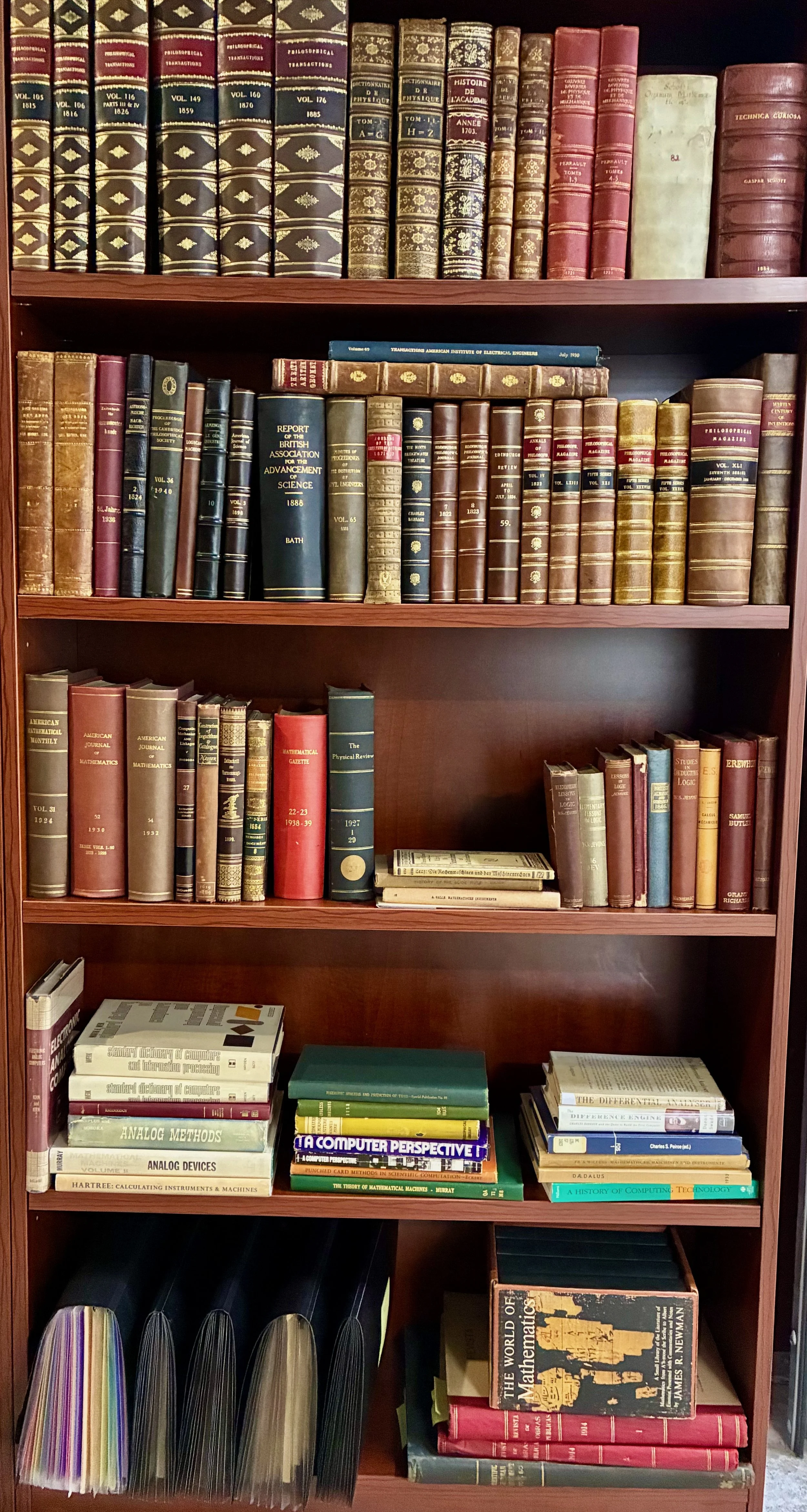
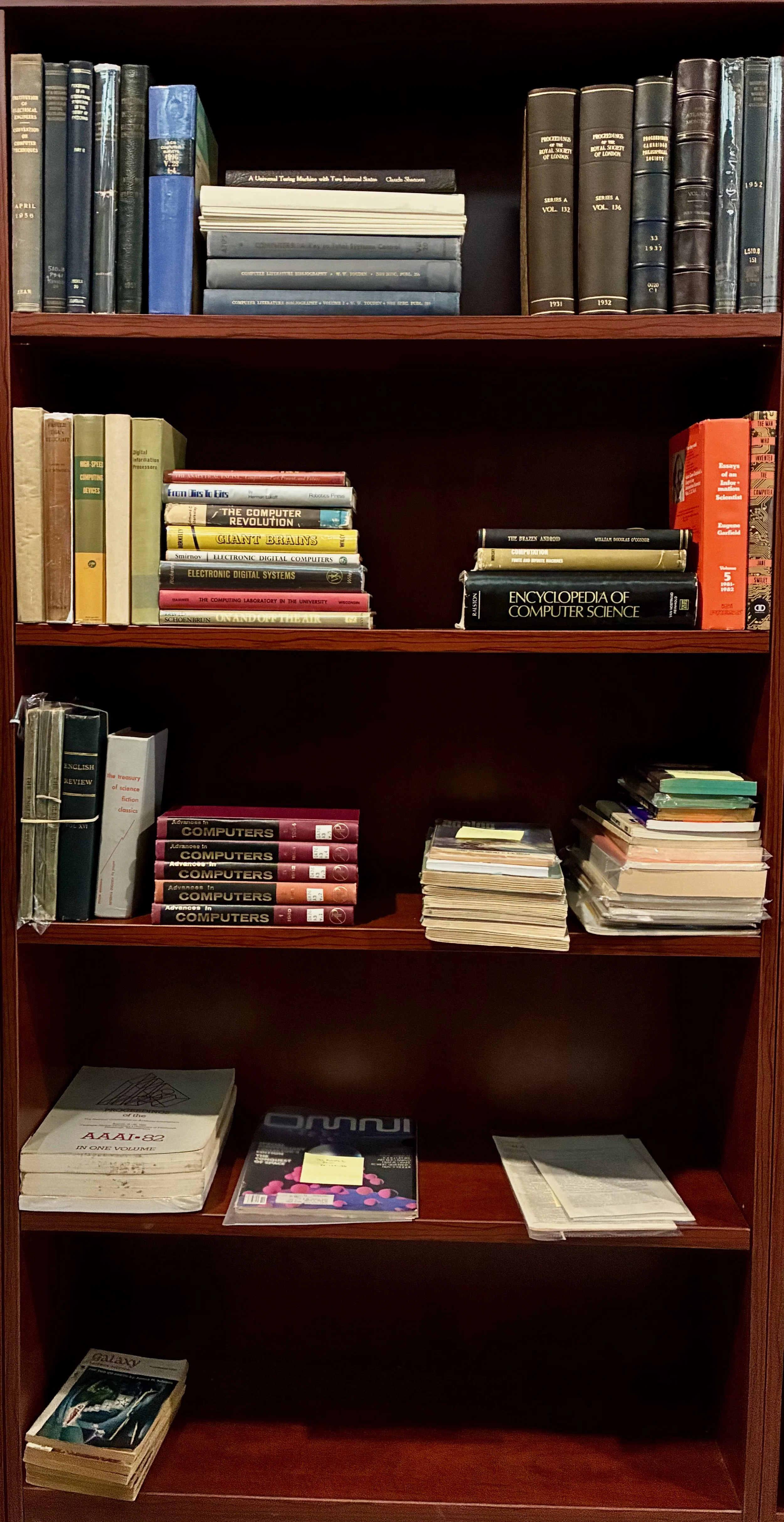
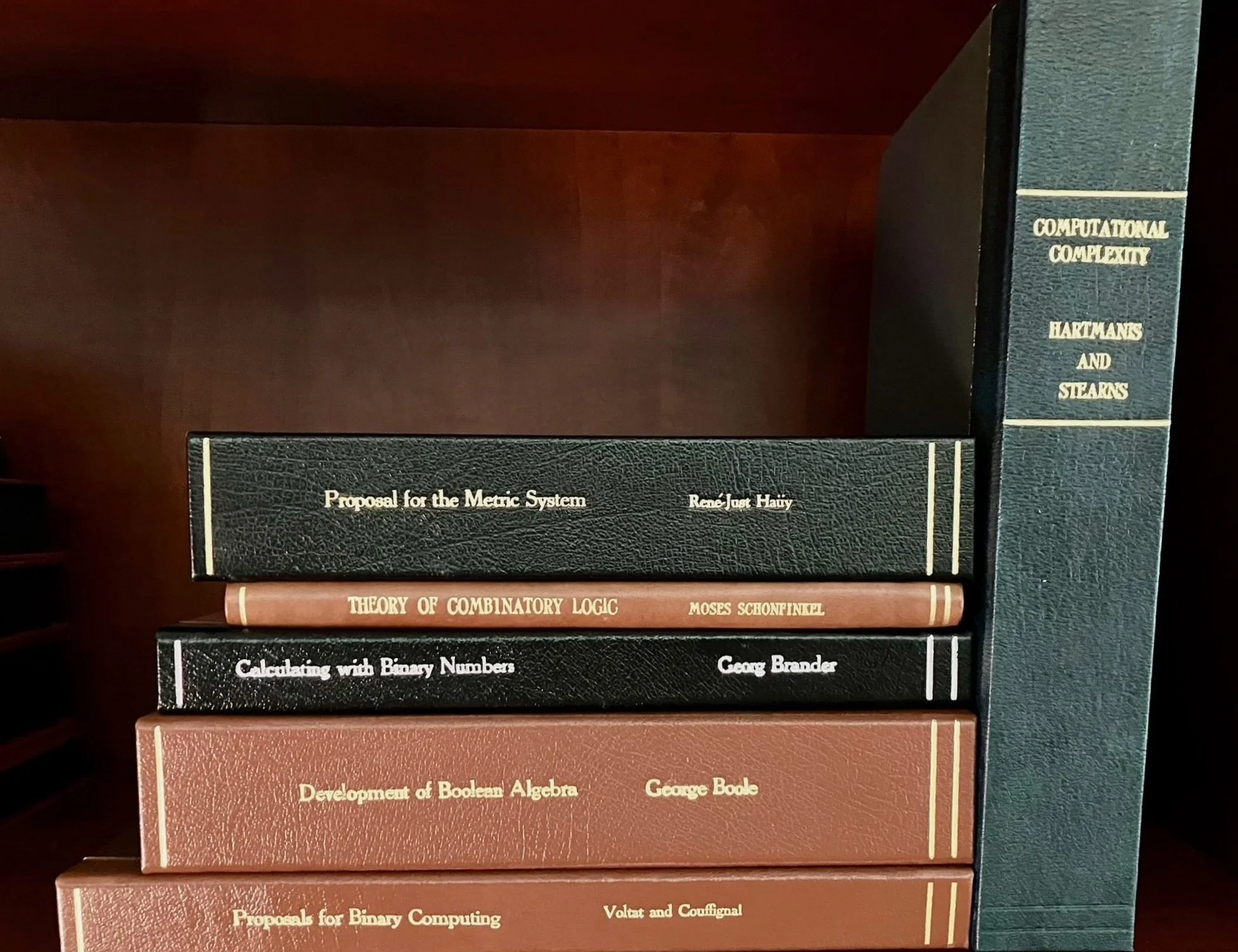
Approximately 60 additional documents complement the three main areas of the collection. These include collected papers by prominent scientists, historical accounts of computing, and works exploring the mathematical and theoretical ideas that shaped the field. Together, they provide broader context for the discoveries and innovations documented throughout the collection.
Scroll through sample Images below