longitude
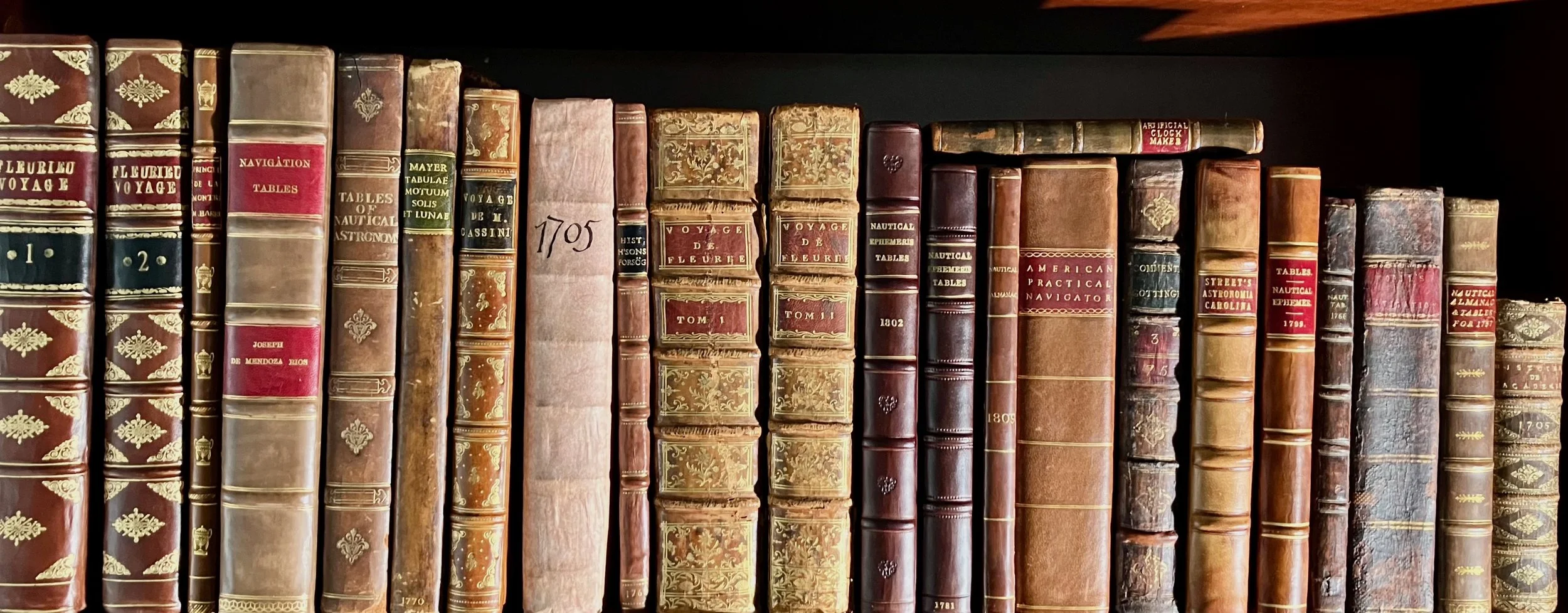
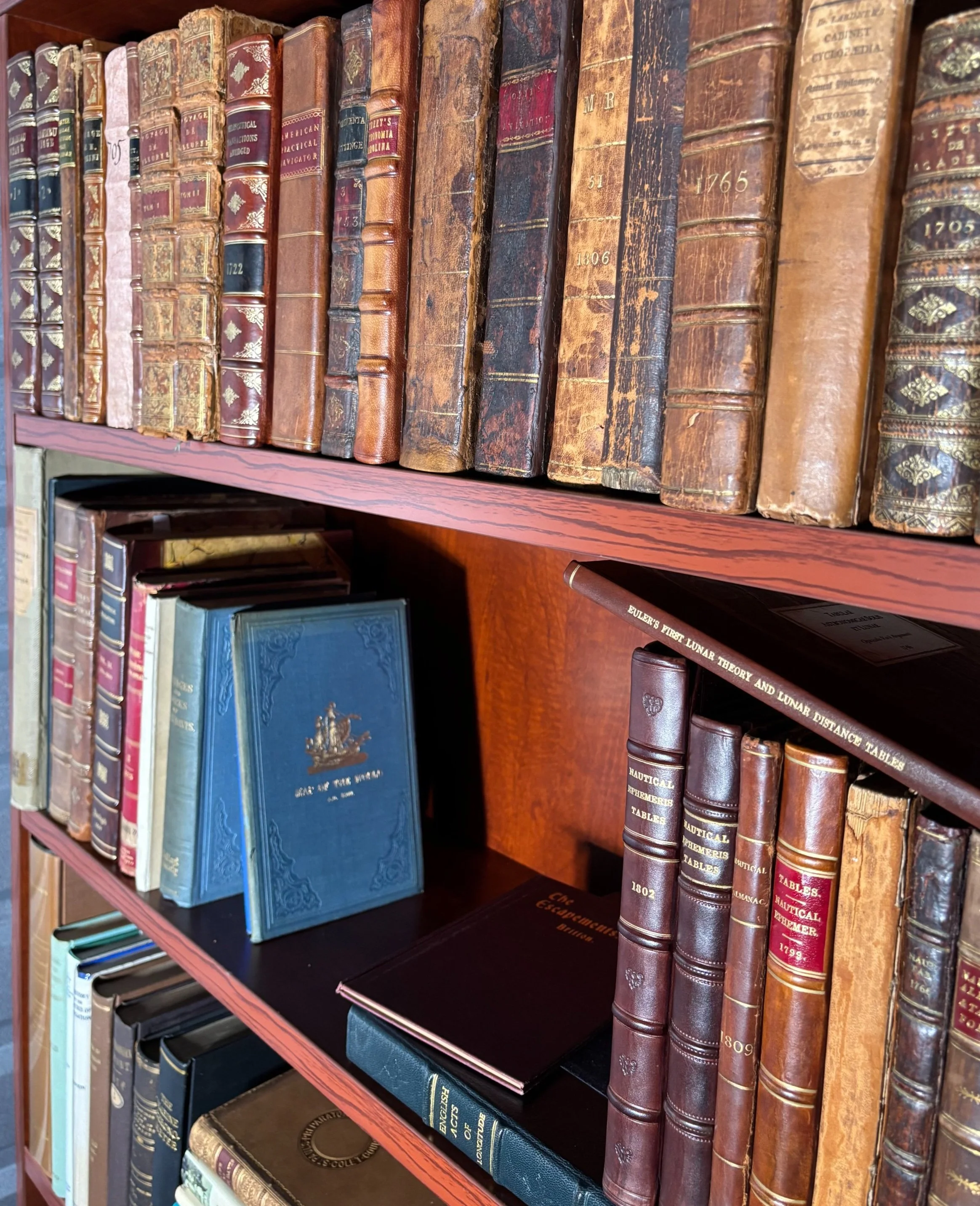
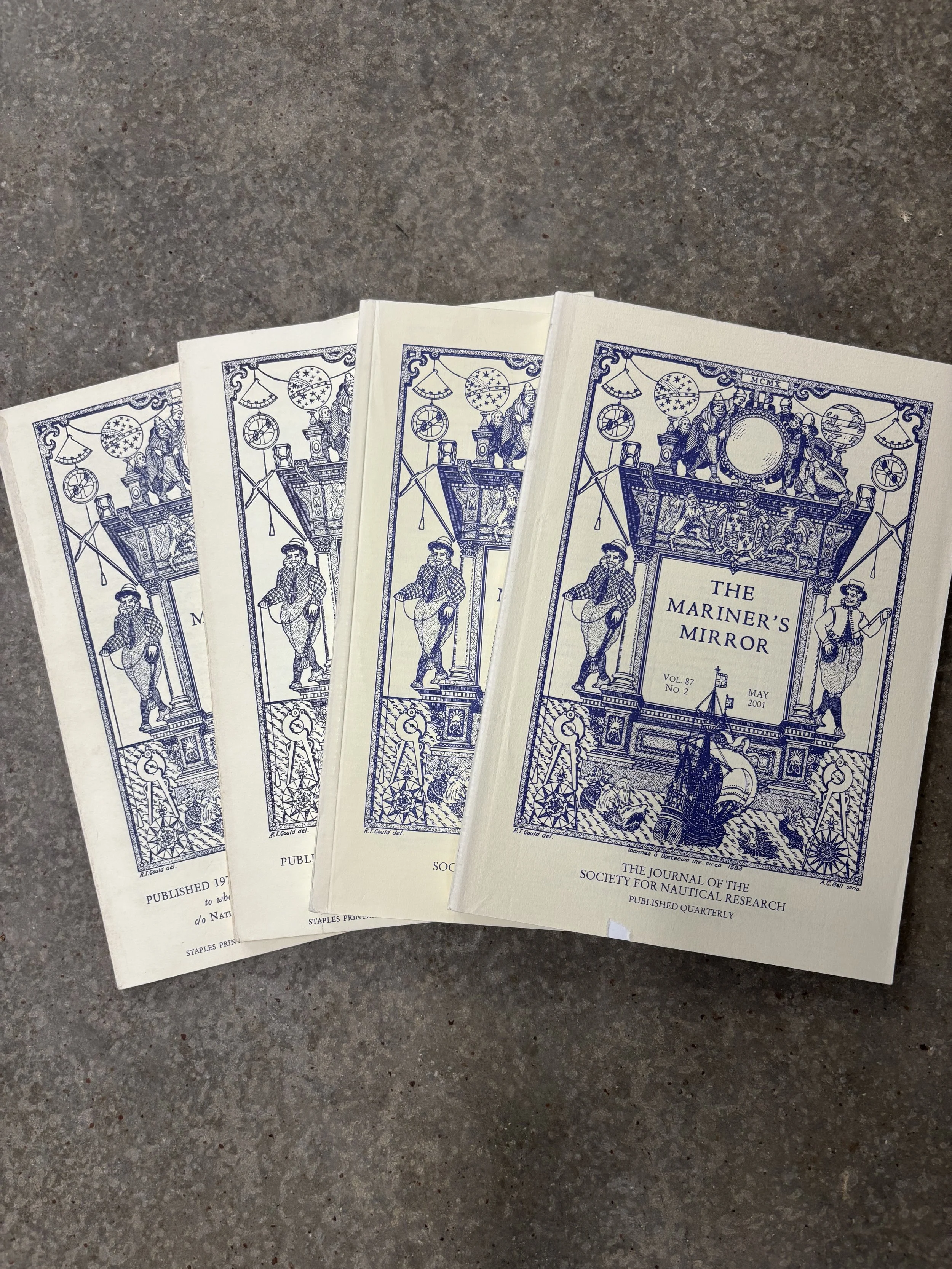
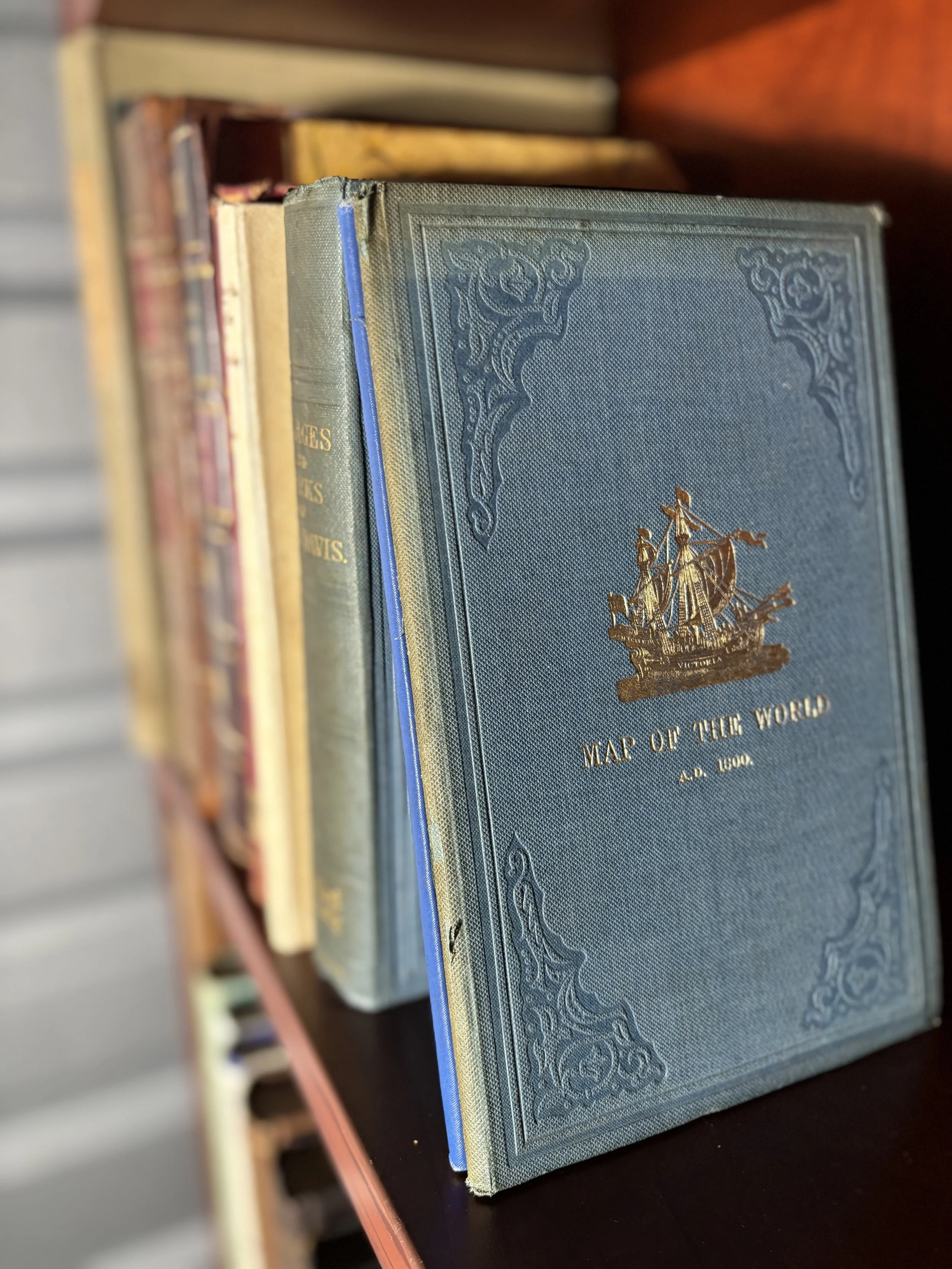
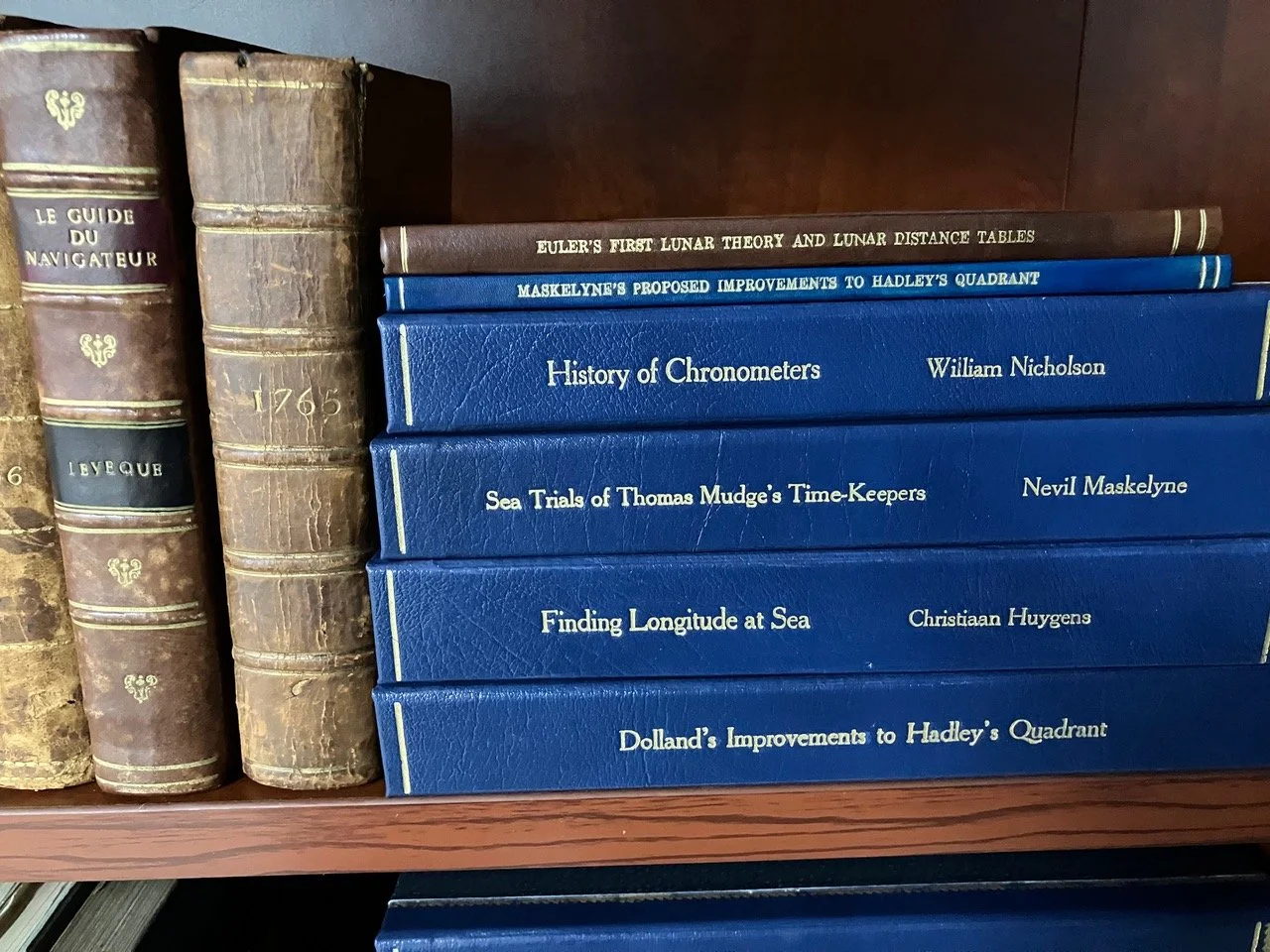
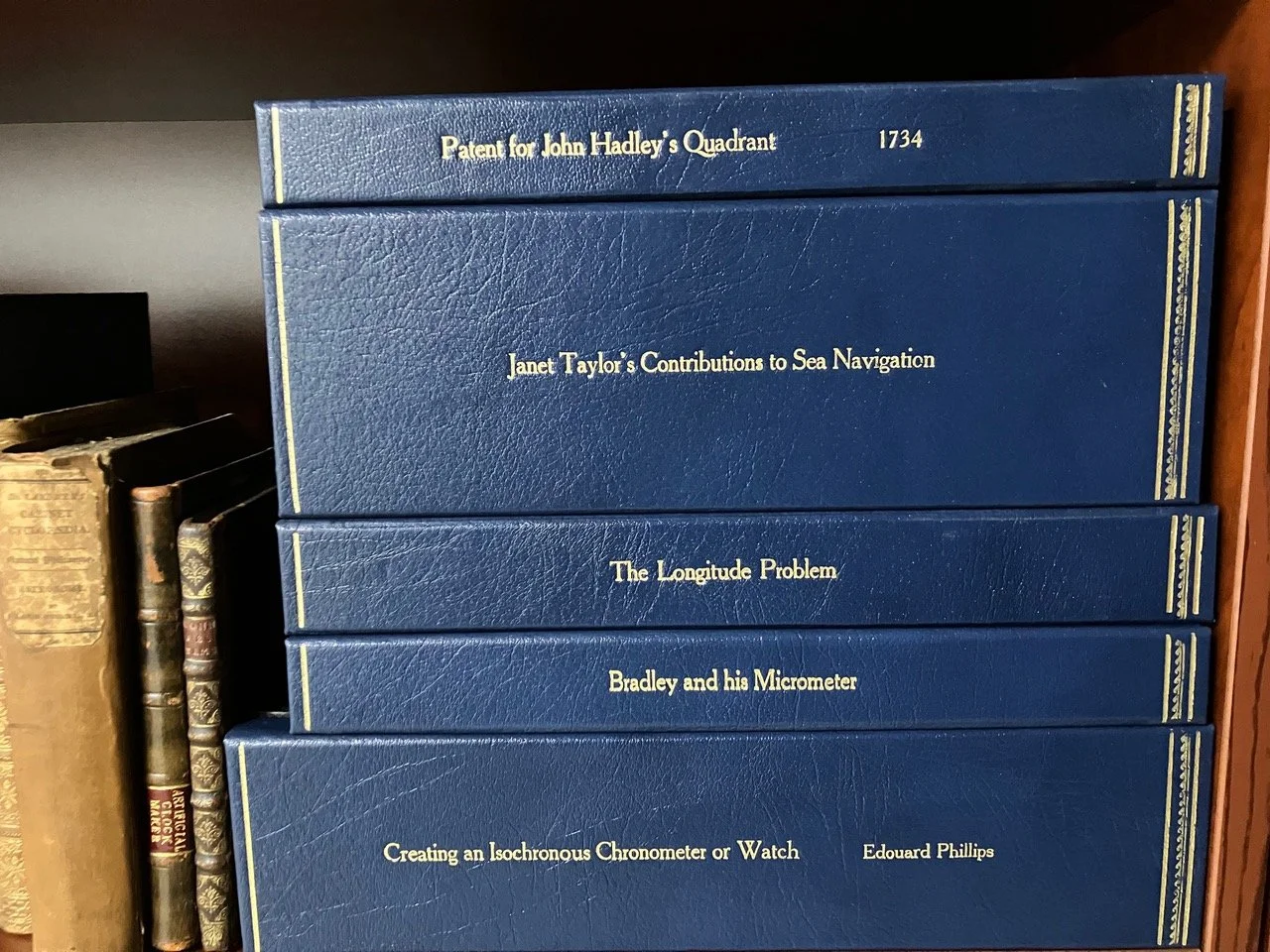
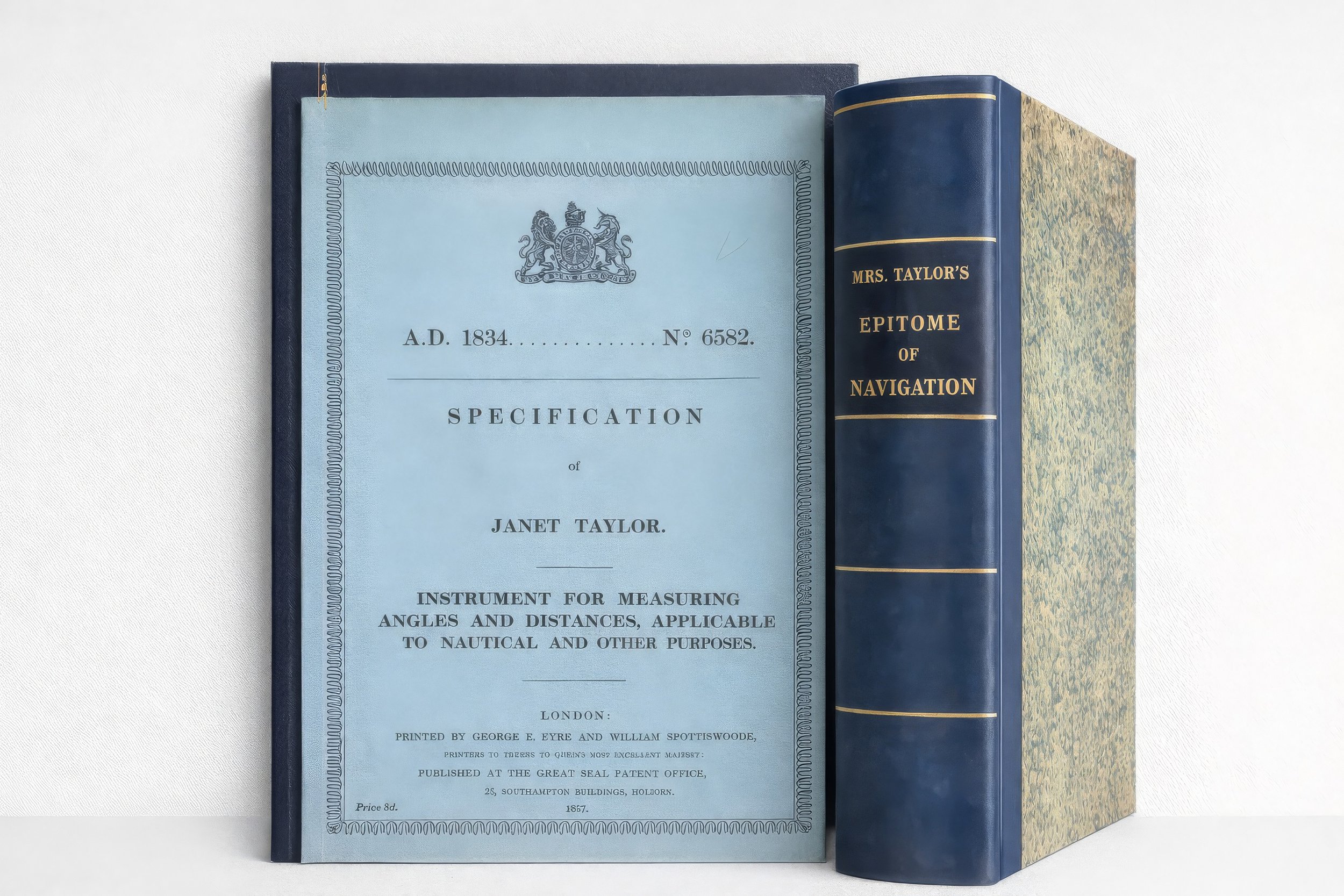
The quest to determine longitude at sea occupied some of the leading scientific minds of the 16th through 19th centuries. This collection of more than 200 documents chronicles that quest through original scientific papers, navigational manuals, astronomical tables, government legislation, and accounts of experiments at sea.
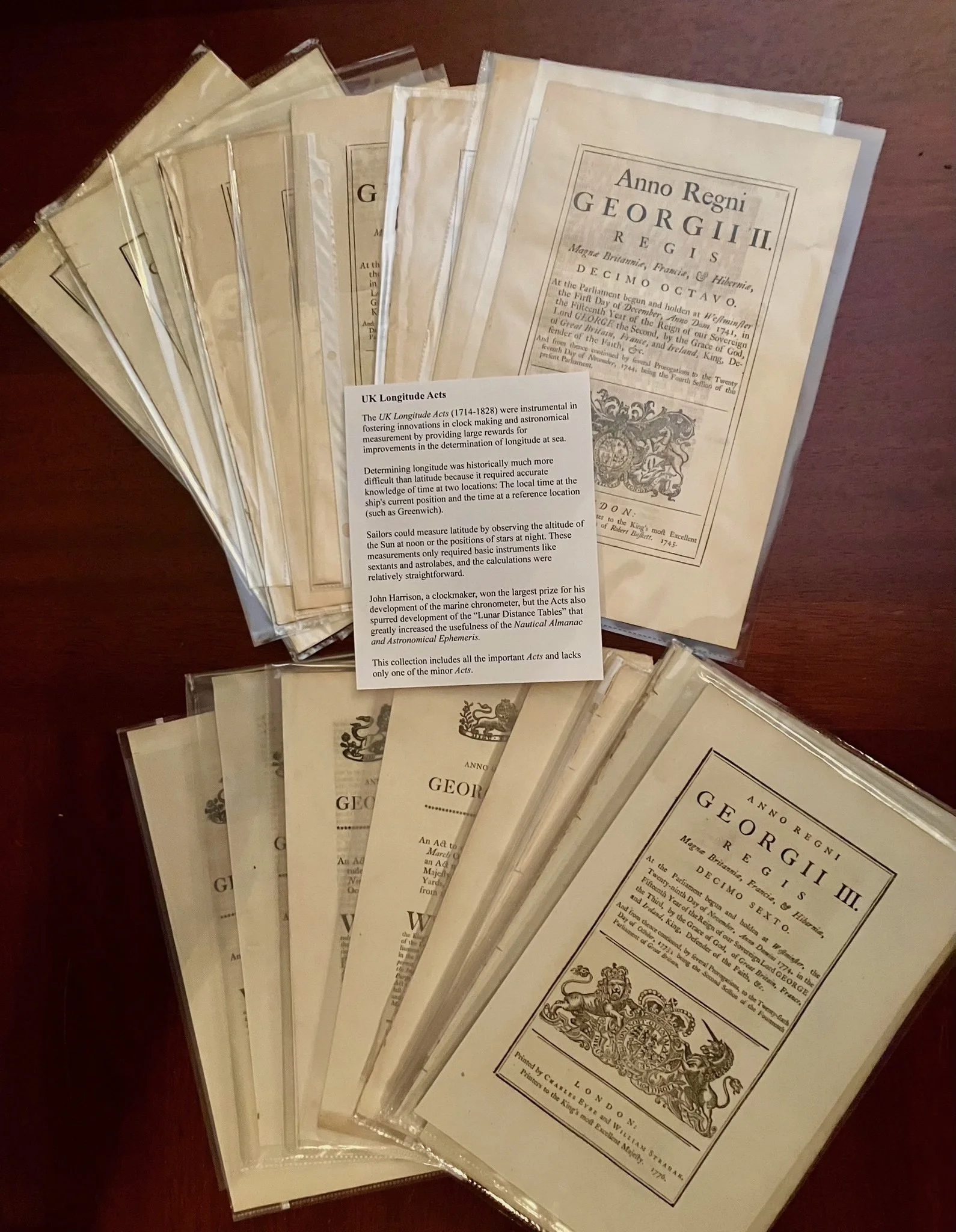
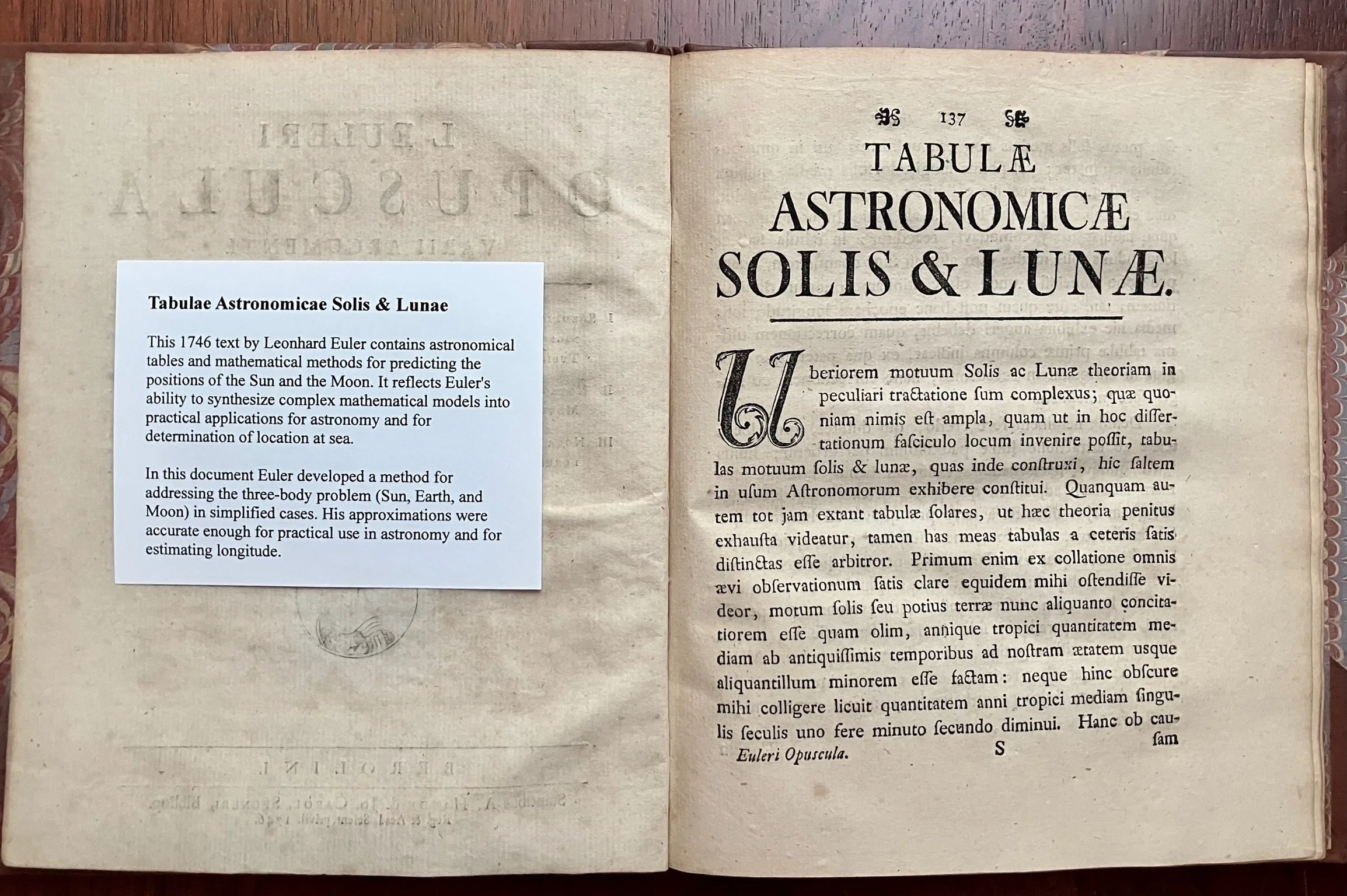
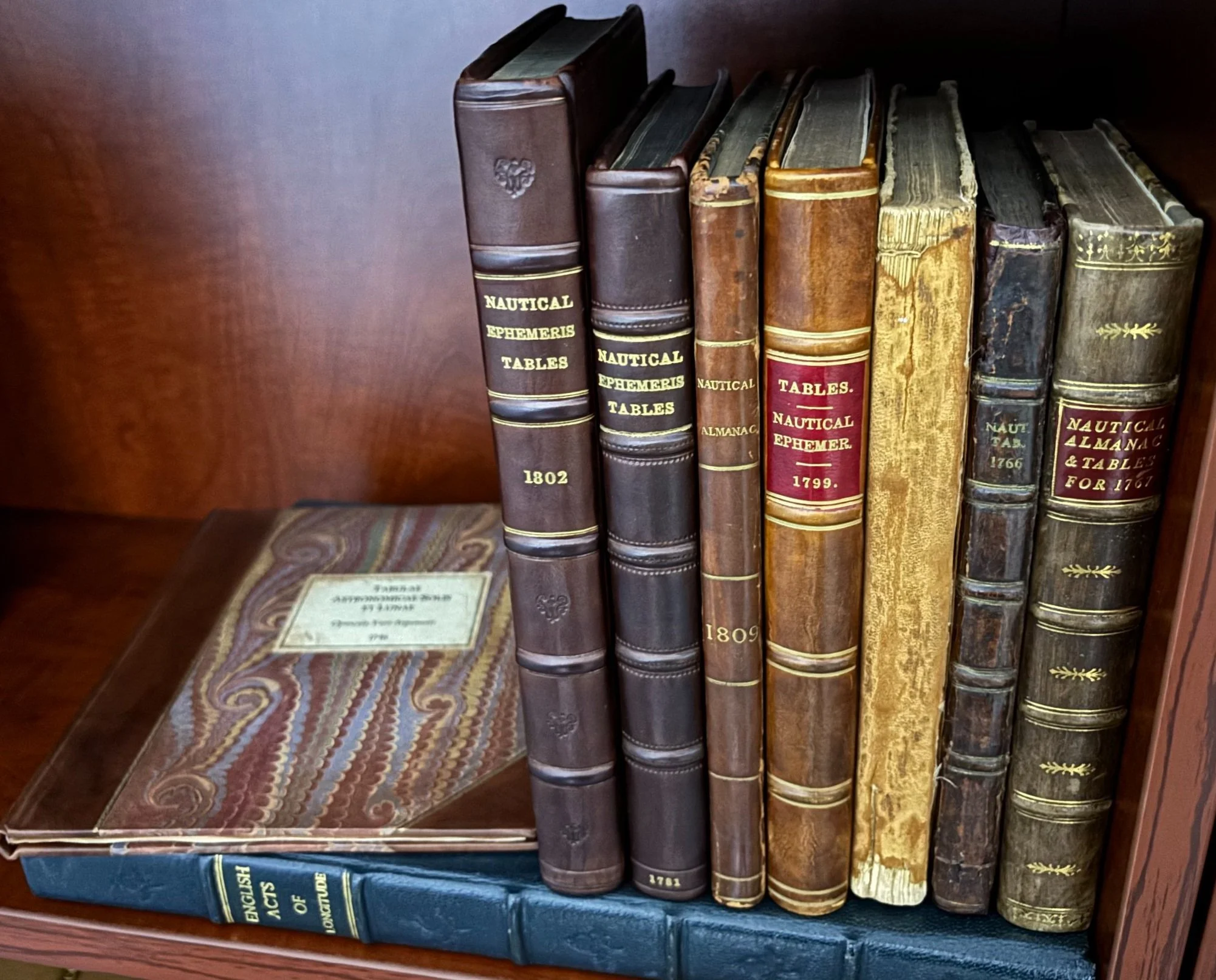
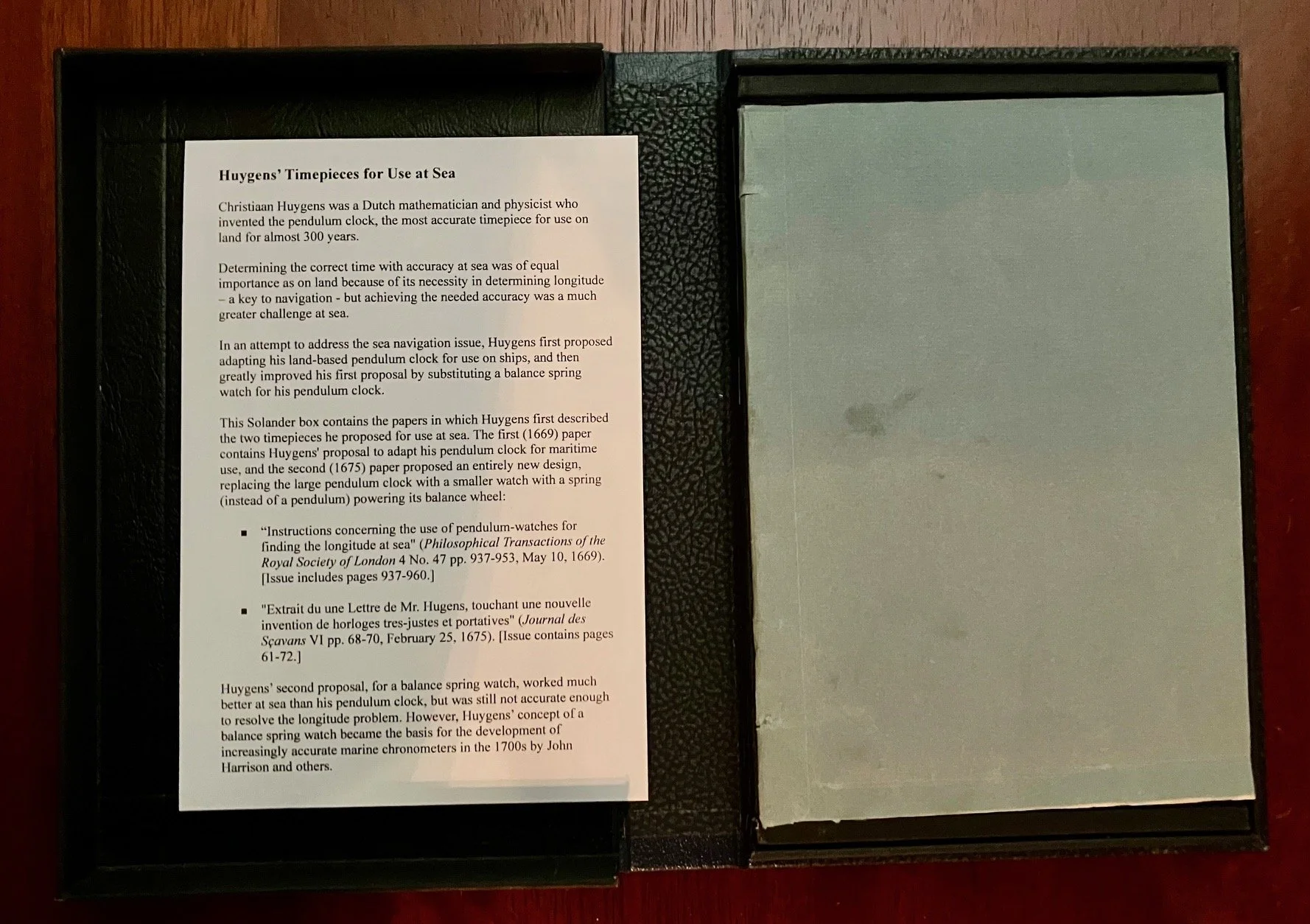
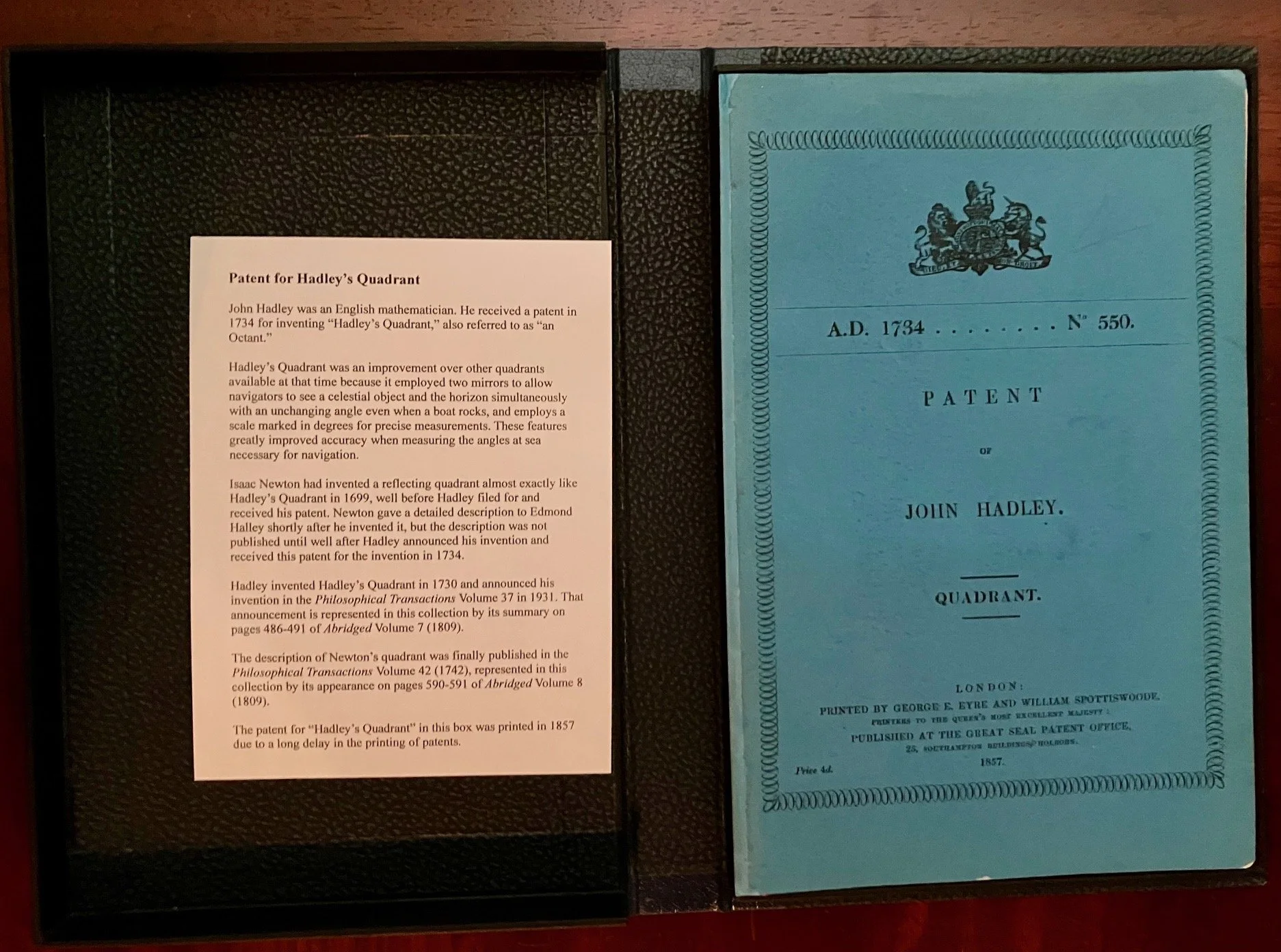
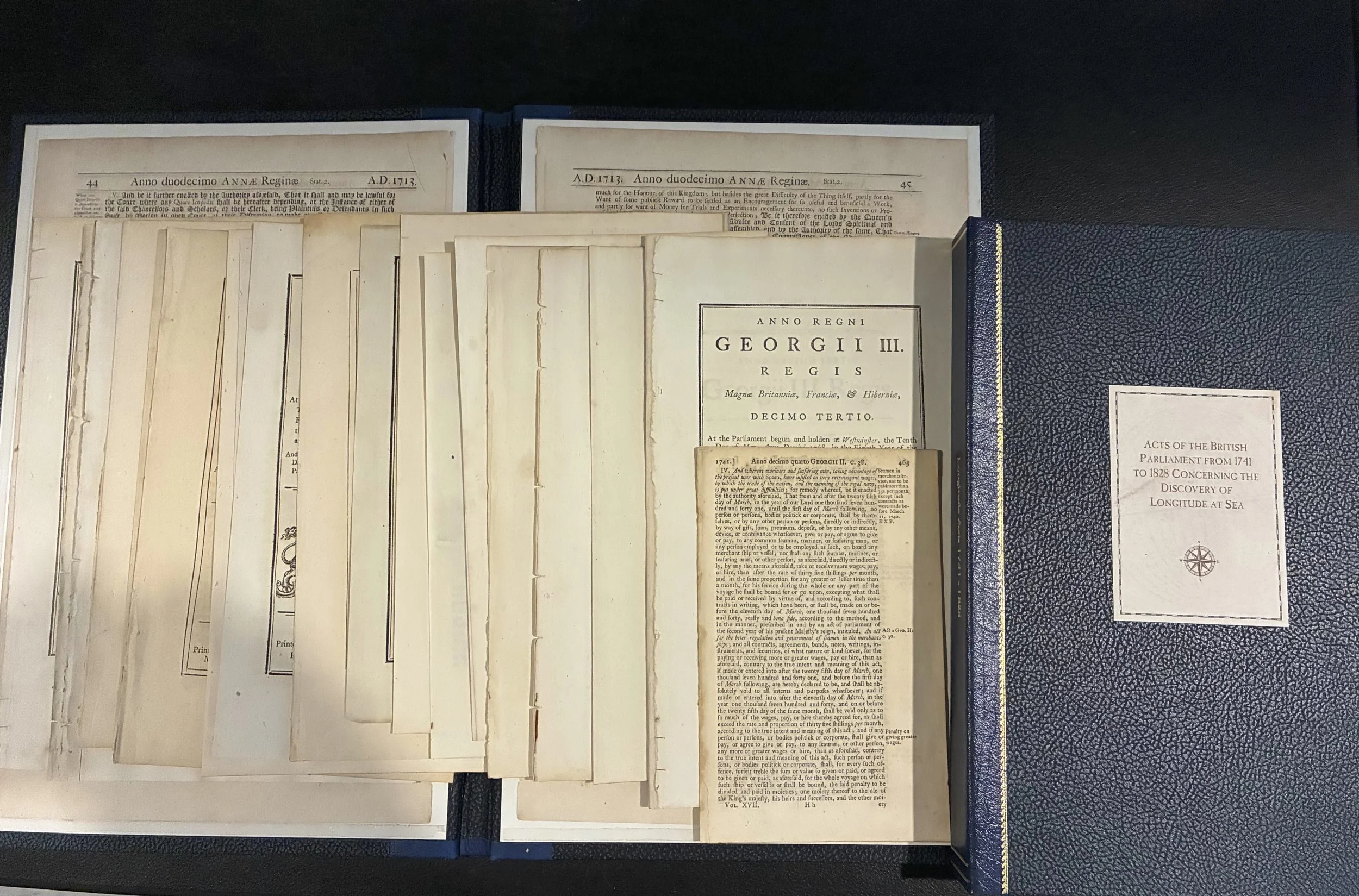
Among its highlights are a 1548 work by Gemma Frisius describing the use of accurate timekeepers to determine longitude, Christiaan Huygens’ 1675 announcement of his balance-spring watch, John Hadley’s 1732 description of his reflecting quadrant, and publications by John Harrison concerning his celebrated marine chronometers. Other works document the astronomical approach to navigation, including Tobias Mayer’s lunar tables and Nevil Maskelyne’s Nautical Almanac. The collection also contains all but one of the original British Longitude Acts, beginning with the legislation of 1714 that established substantial prizes for a practical solution.
Spanning nearly five centuries, the collection illuminates the scientific advances, technical challenges, and institutional rivalries that transformed navigation at sea.
Scroll through sample Images below