rockets and space travel
Sending humans into space required more than building powerful rockets. Scientists first had to establish whether spaceflight was physically possible, how rockets could escape Earth’s gravity, and what kinds of propulsion systems might make such journeys practical. This collection of approximately 170 documents follows the people and ideas that helped answer those questions.
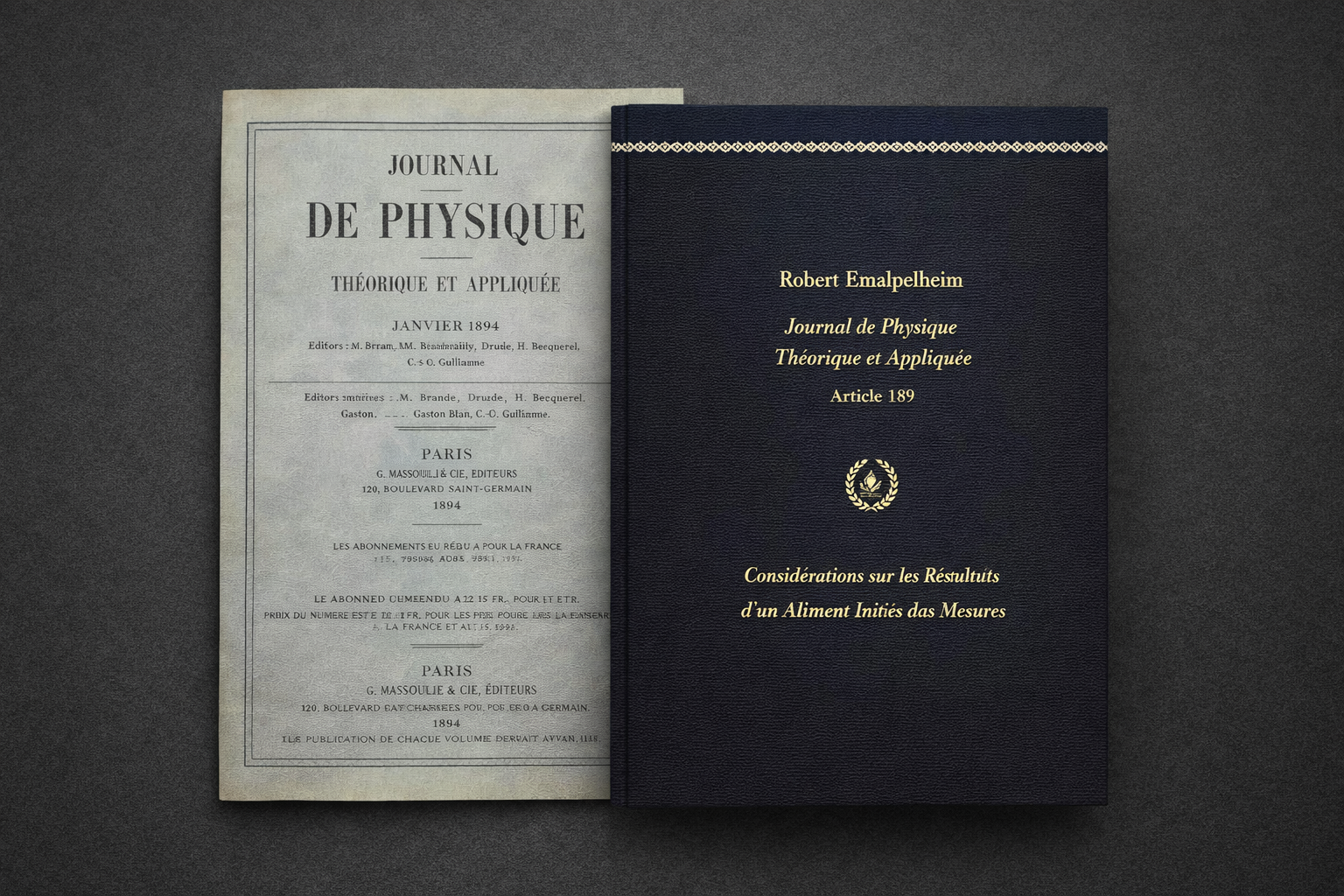
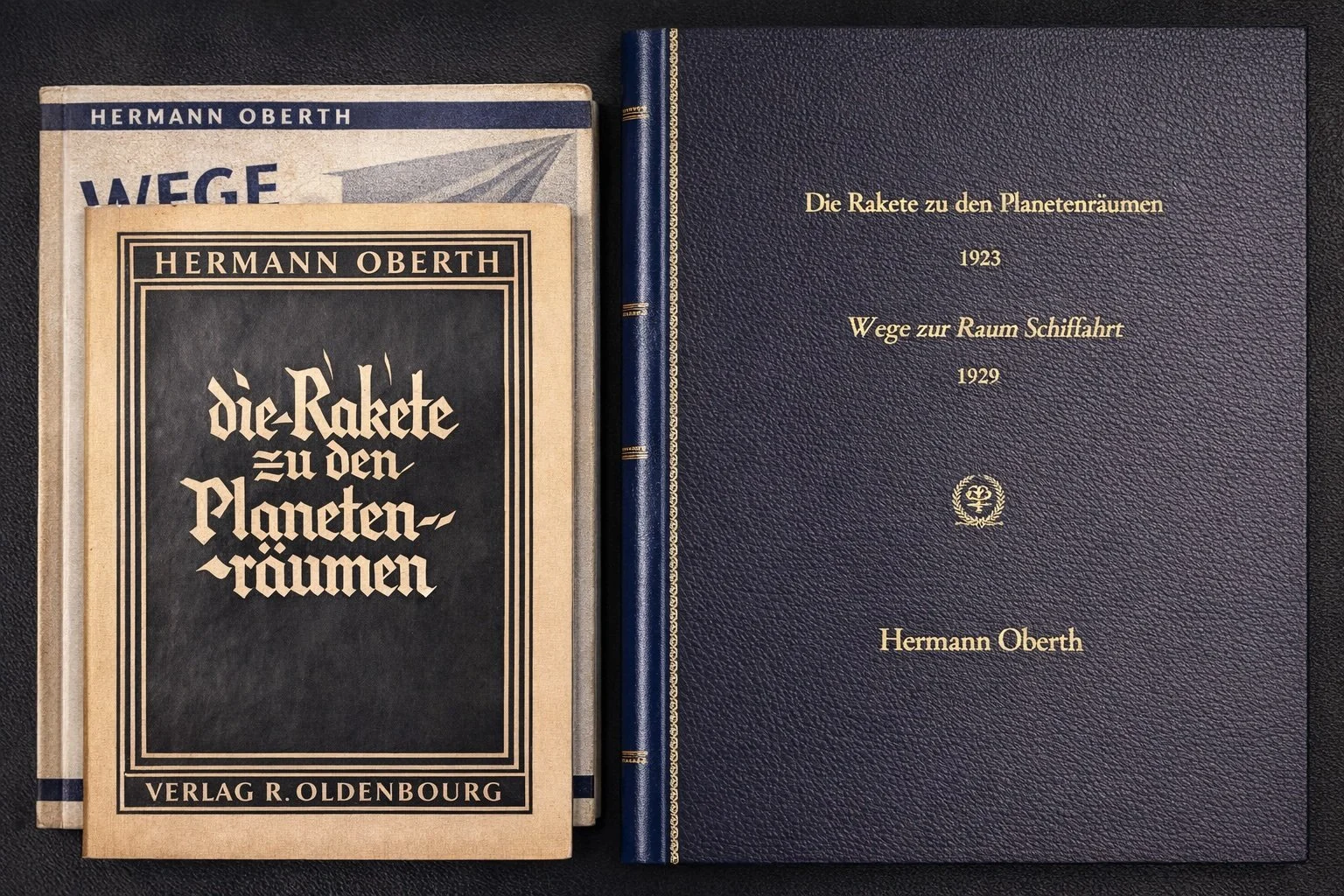
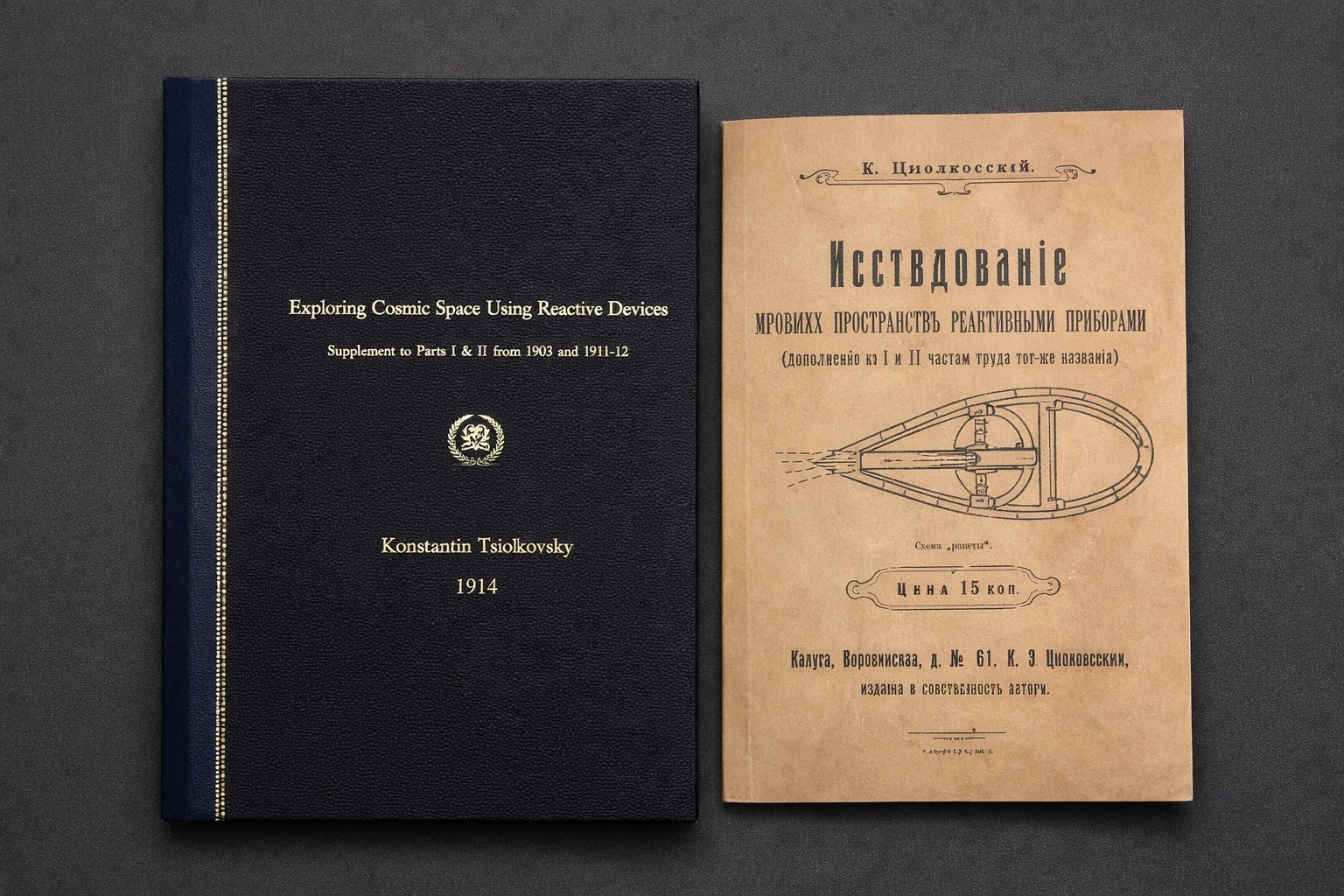
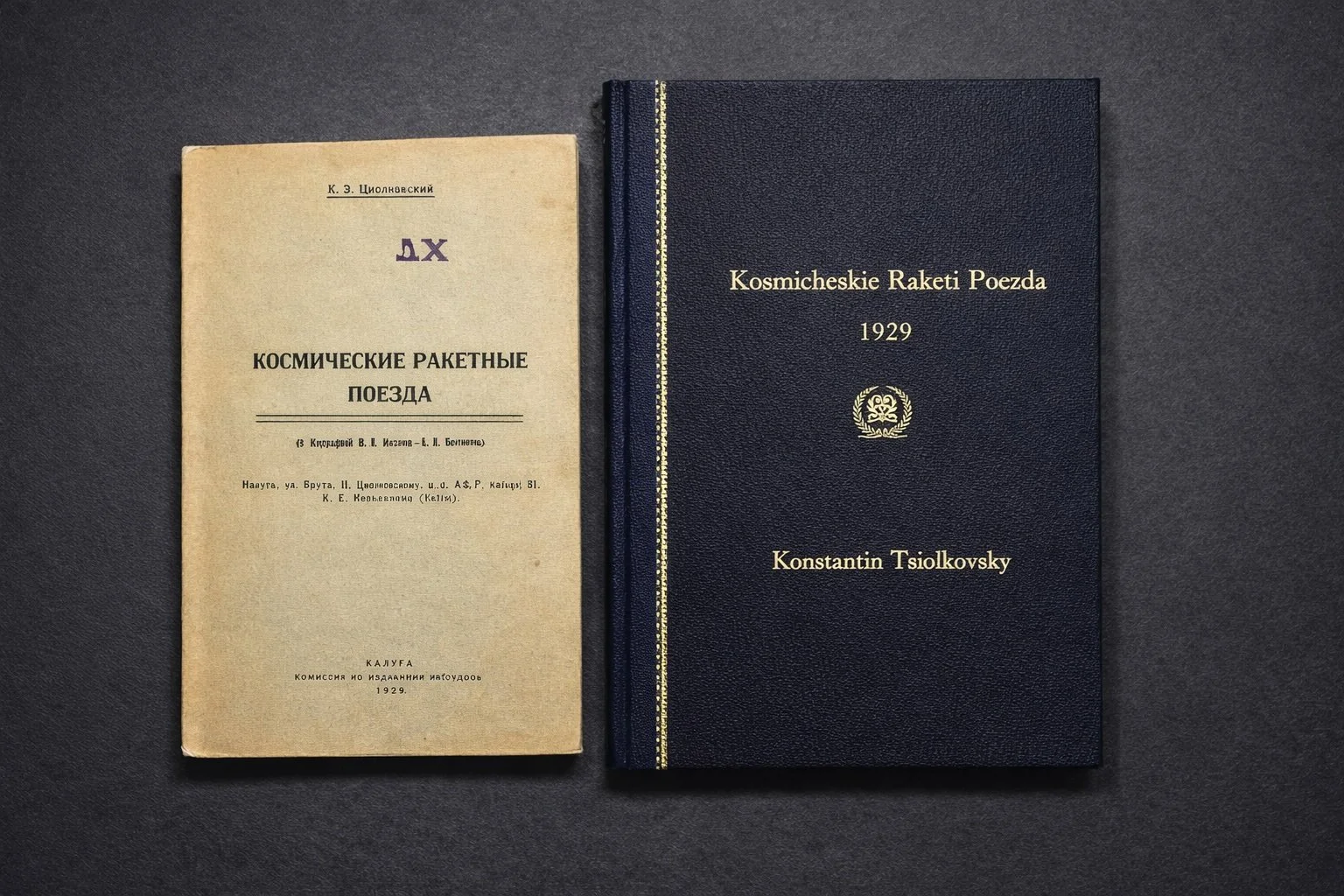
The collection includes early work by Konstantin Tsiolkovsky, Robert Goddard, Hermann Oberth, Robert Esnault-Pelterie, and Frank Malina, whose contributions helped establish modern rocket science. Goddard’s A Method of Reaching Extreme Altitudes (1919) and Oberth’s Die Rakete zu den Planetenräumen (1923) are among the collection’s highlights. Also included are early publications of the British Interplanetary Society and American Rocket Society, along with science fiction that anticipated the possibilities of space travel.
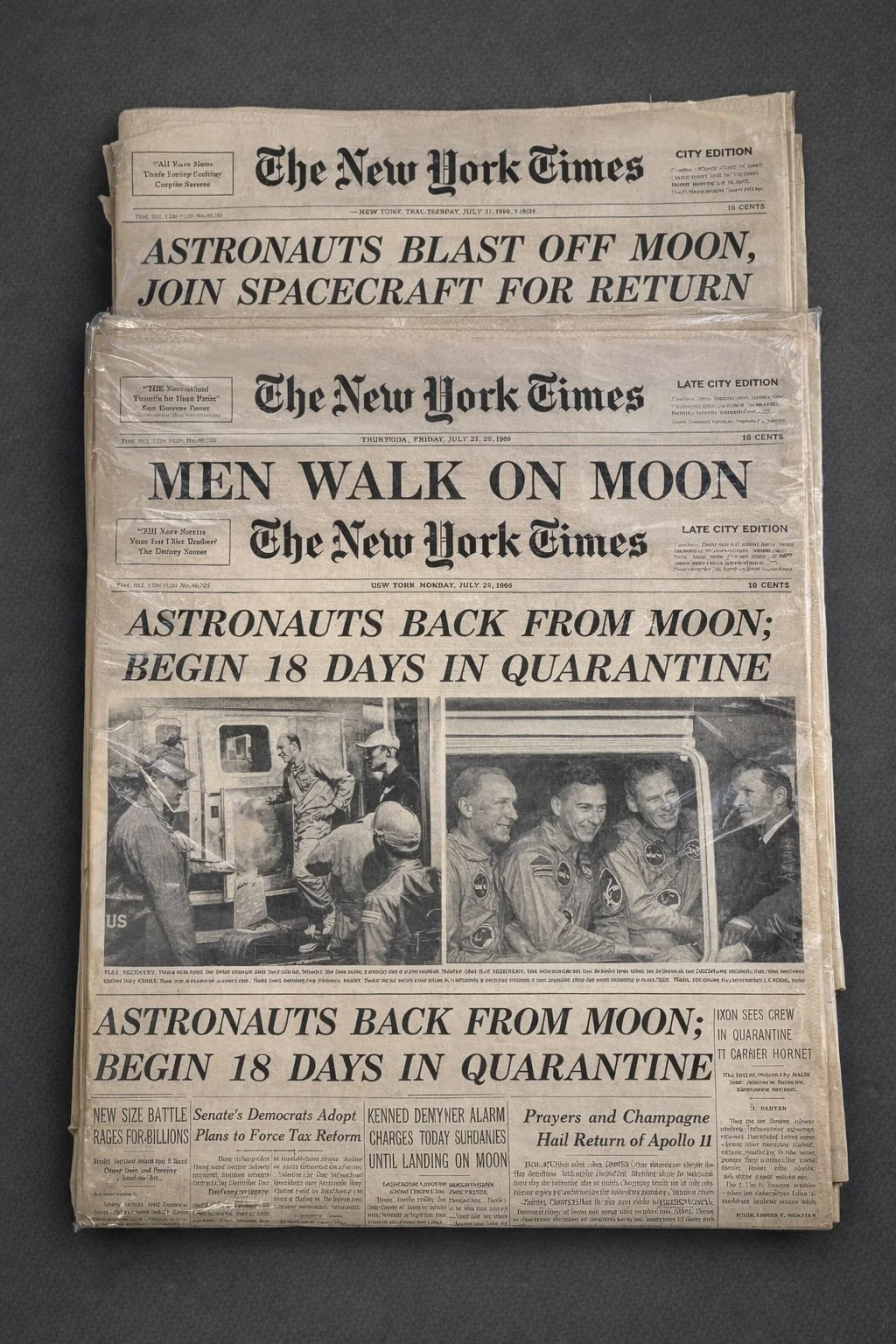
Later materials document the triumphs and tragedies of actual missions, capturing the remarkable speed with which space exploration progressed from theoretical calculations to a defining achievement of the 20th century.
This collection is available for sale as part of the larger series: Machines, Minds, and the Cosmos. A full list of collection documents is available upon request.
Scroll through sample Images below